Elevate your beverage business with unbeatable glycol chiller deals


 Sign In
May 14 2024
8631
Navigating Keg Costs: An Essential Guide for Your Beverage Business
Key Takeaways
- New kegs in the U.S. typically cost $100–$300, depending on size, material, and brand.
- Common sizes include 1/2 BBL, 1/4 BBL, and 1/6 BBL — each suited for different volumes and setups.
- Bulk orders unlock significant savings, including wholesale discounts and reduced freight per unit.
- Material quality and origin (e.g., U.S./German-made vs imports) greatly impact durability and price.
- Used kegs are 20–40% cheaper but may require inspection, cleaning, and carry more risk.
- Customization options (branding, color bands, embossing) make new kegs a strong branding asset.
- Additional costs like shipping, tax, and deposits should always be factored into total spend.
- A well-planned keg investment improves long-term efficiency, brand consistency, and cost control.
For any bar, brewery, cidery, or beverage distribution operation, kegs are the backbone of your draft system. Understanding the true cost of acquiring them, whether new or used, is fundamental for accurate budgeting, inventory management, and long-term operational efficiency. The price of a new beer keg in the U.S. isn't a fixed number; it fluctuates based on a variety of factors including size, material quality, brand reputation, and the quantity purchased.
This comprehensive guide will break down the average prices for new kegs by common sizes, delve into the key factors that influence these costs, and help you decide whether new or used kegs are the optimal choice for your specific business needs.
Why Invest in Owning Kegs?
Before diving into pricing, it's worth considering why many businesses choose to purchase their own kegs rather than relying solely on brewery-owned or leased options:
- Inventory Control: Own your supply chain for draft beverages, reducing reliance on third-party availability.
- Cost Savings (Long-Term): Eliminate ongoing rental or deposit fees associated with brewery-owned kegs over time.
- Flexibility & Branding: Use your kegs for various beverages, and many can be customized with your brewery's logo or branding.
- Quality Assurance: Ensure consistent quality and proper handling of your vessels.
Average New Keg Prices in the U.S. (2024-2025 Estimates)
Here’s an overview of the typical price ranges for new and used commercial-grade stainless steel kegs in the U.S. market.
| Keg Size | Volume (US) | Average New Price | Average Used Price | Notes |
|---|---|---|---|---|
| 1/2 BBL | 15.5 gallons | $200 – $300 | $120 – $180 | The industry standard for full-size draft beer and high-volume sales. |
| 1/4 BBL | 7.75 gallons | $120 – $200 | $80 – $150 | "Pony Keg" – Ideal for smaller bars, rotating taps, or special events. |
| 1/6 BBL | 5.16 gallons | $100 – $150 | $70 – $120 | "Sixtel" or "Corny Keg" for commercial use – Excellent for variety, small-batch brews, or home-based operations. |
Important Considerations:
- Prices listed are estimates and do not typically include sales tax, shipping costs, or refundable keg deposit fees (common for leased kegs).
- Wholesale discounts are almost always available for bulk orders, significantly reducing the per-unit cost.
- For the most accurate and current pricing, direct quotes from reputable suppliers are essential.
Key Factors Influencing New Keg Costs
Understanding these variables will help you make a more informed purchasing decision:
1. Size and Capacity
Unsurprisingly, larger kegs (1/2 BBL) require more material and thus have a higher base cost. Conversely, smaller sizes (1/6 BBL) are more economical per unit, but you'll need more of them to dispense the same volume, potentially increasing your overall keg count and logistics.
2. Material and Build Quality
The vast majority of commercial kegs are manufactured from 304 food-grade stainless steel due to its exceptional durability, hygiene properties, and resistance to corrosion. Premium brands like Schaefer, Blefa, or Thielmann often command higher prices due to:
- Thicker steel gauges for enhanced longevity and impact resistance.
- Superior welding techniques that minimize weak points.
- Rigorously tested valves and fittings for optimal sealing and performance.
These higher-end models typically offer a service life of 20 years or more with proper care, providing a strong return on investment.
3. Brand Reputation and Origin
Kegs manufactured in the U.S. and Germany generally have higher price points than imports from countries like China or India. This often reflects:
- Stricter manufacturing standards and quality control processes.
- Longer warranties and better after-sales support.
- Adherence to specific industry certifications (e.g., ISO standards).
Choosing a reputable brand can mitigate risks associated with quality control and longevity.
4. Order Quantity (Bulk Discounts)
This is one of the most significant cost-saving factors. Suppliers offer substantial wholesale discounts when kegs are purchased in volume. For example, an order of 50+ kegs might qualify for a reduced per-unit price, free freight, or other incentives. Plan your initial purchase and future expansions to leverage these savings.
5. Additional Features & Compatibility
Some kegs come with specific features that can impact their cost:
- Proprietary valve systems or specialized spears.
- Designs optimized for specific cooling systems (e.g., glycol-ready features).
- Stackable designs for improved storage efficiency.
6. Shipping and Deposit Fees
Don't overlook these often-hidden costs:
- Shipping: Kegs are heavy. Freight costs can be substantial, especially for large orders or deliveries to remote locations (e.g., Alaska, Hawaii). Always request a detailed shipping quote.
- Deposit Fees: If you're leasing kegs from a supplier or brewery, a refundable deposit (typically $30–$60 per keg) is standard. This isn't a purchase cost, but it ties up capital.
New vs. Used Kegs: A Strategic Comparison
Deciding between new and used kegs involves weighing upfront cost against long-term reliability and risk.
| Feature | New Kegs | Used Kegs |
|---|---|---|
| Initial Cost | Higher upfront investment | 20–40% cheaper, offering immediate savings |
| Condition | Pristine, no wear or prior use | Varies significantly; may have dents, scratches, or minor defects |
| Longevity | 20+ years with proper maintenance | Depends on original age and previous use; potentially shorter lifespan |
| Risk Factor | Virtually none; full warranty | Higher risk of hidden damage (e.g., micro-cracks, seal issues), leaks, or odors |
| Customization | Easily branded, embossed, or color-coded | Limited; may require re-branding or extensive cleaning/repair |
| Ideal For | Established breweries, high-volume venues, businesses prioritizing brand image and long-term reliability | Startups, small-batch operations, seasonal use, or budget-conscious projects willing to accept higher risk and inspection effort |
Recommendation: For a core fleet, new stainless steel kegs from a reputable manufacturer offer the best long-term value and peace of mind. Used kegs can be a viable option for supplementary needs or for businesses with a robust inspection and reconditioning process.
Beyond the Keg: Essential Draft System Accessories
A keg is just one piece of the puzzle. To ensure a fully functional and efficient draft system, you'll also need:
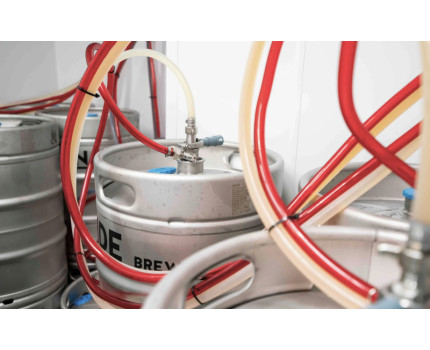
- Keg Couplers: The connector that taps the keg and allows beer and gas to flow (e.g., D-system for most North American beers, S-system for European, A-system for some imports).
- Beer Lines & Gas Tubing: High-quality, food-grade tubing to transport your beverage and CO₂.
- Drip Trays & Faucets: Crucial for cleanliness and controlled pouring.
- Tap Handles: For branding and easy identification of beverages.
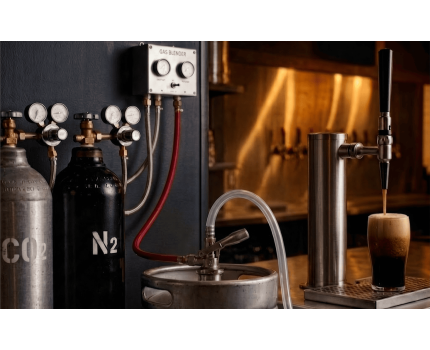
- CO₂ or Blended Gas Regulators: To maintain precise pressure for optimal dispensing and carbonation.
- Keg Washers/Cleaners: Essential for proper hygiene and extending keg life.
Frequently Asked Questions (FAQ) About Keg Pricing & Buying
Does the listed keg price typically include shipping and taxes?
No, generally not. Always expect separate charges for freight (shipping), applicable sales tax based on your location, and potentially refundable deposits. Always request an all-inclusive quote.
Can I buy just one keg for my business?
While some suppliers might allow individual purchases, for commercial use, it's almost always more cost-effective to buy in bulk. Most suppliers cater to businesses looking to purchase 10 or more kegs at a time to qualify for wholesale pricing.
Is it genuinely worth buying used kegs for a commercial operation?
It can be, especially for startup breweries, seasonal ventures, or if you have a tight budget. However, the savings come with increased risk. You must ensure used kegs are thoroughly inspected (pressure-tested for leaks, checked for dents or damage) and professionally cleaned and sanitized before first use.
Can I brand or customize new kegs with my brewery's logo?
Absolutely! Most major keg manufacturers and suppliers offer customization services. This can include embossing (stamping your logo into the metal), silk-screening (printing your logo on the keg), or adding specific color bands for easy identification. This is an excellent way to reinforce your brand.
What are the ongoing costs associated with owning kegs?
Beyond the initial purchase, consider costs for cleaning chemicals, professional keg washing services (if not done in-house), and potential repairs or replacement parts for valves and spears. Regular maintenance is key to maximizing your kegs' lifespan.
Final Thoughts: Strategic Keg Acquisition
The price of a new keg in the U.S. typically ranges from $100 to $300, largely dependent on its size, the quality of its stainless steel construction, and the supplier. While used kegs offer an attractive lower entry point, the long-term reliability and consistent performance of new, high-quality stainless steel kegs – particularly from trusted brands – often provide the best return on investment for any serious beverage business.
Careful planning, understanding all associated costs, and choosing the right supplier will ensure your keg fleet supports your business goals efficiently and economically.