Elevate your beverage business with unbeatable keg deals

Ceramic Towers

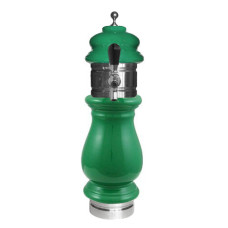
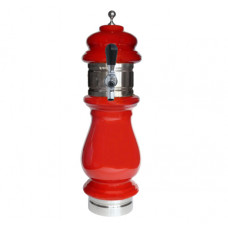
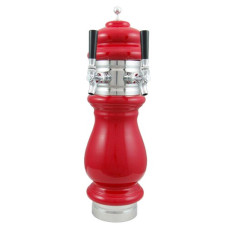
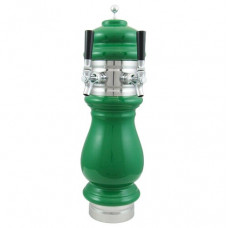
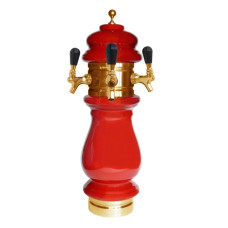
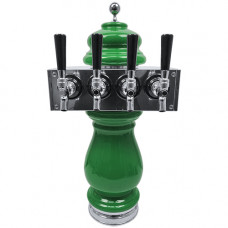
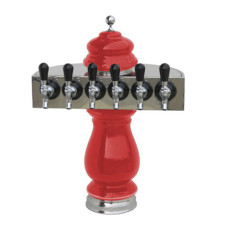
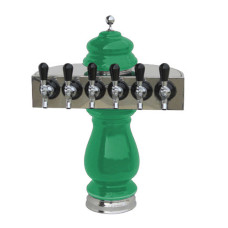
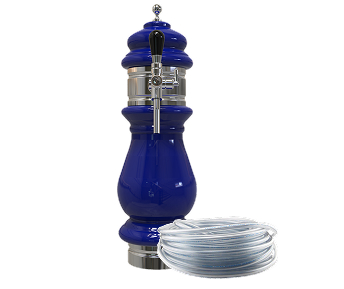
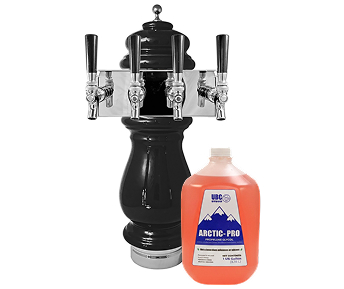
A ceramic beer tower combines premium aesthetics with professional draft performance, making it a popular choice for bars, restaurants, and taprooms that want a distinctive faucet presentation. Ceramic draft beer towers are often selected as a decorative beer tower option for front-of-house installs, while still supporting commercial dispensing requirements. UBC Group USA offers Ceramic Silva towers in multiple configurations - from single faucets to high-capacity multi-line builds - with both air-cooled and glycol-cooled options to match your draft system layout and service volume.

Key Technical Specifications of Ceramic Beer Towers

Ceramic beer towers are built to support professional draft performance while delivering a premium, decorative appearance at the point of pour. Choosing the right configuration depends on service volume, line count, and the cooling method used to maintain stable tower temperature.

Number of Lines (1–8 Faucets)

UBC Group USA ceramic draft beer towers are available in multiple line configurations, ranging from single-faucet towers to higher-capacity builds designed for multi-tap service. Selecting the correct number of lines helps match the tower to your beverage program and prevents undersizing in high-volume environments.

Air-Cooled vs. Glycol-Cooled Models

Ceramic towers are offered in both air and glycol versions:

  • Air-cooled towers are typically used in standard installations where cooling air can be routed to the tower effectively and line runs are relatively short.
  • Glycol-cooled towers are designed for installations where maintaining consistent temperature is more demanding, helping reduce temperature gain at the tower and supporting stable pours in higher-load setups.
Draft System Compatibility

Ceramic beer tap towers are designed to integrate with commercial draft system components, including:

  • Beer trunk lines and long-draw setups (when properly cooled)
  • Standard shanks, faucets, and tower hardware
  • Cooling infrastructure (air ducts or glycol lines, depending on model)
Service and Installation Considerations

Because the tower is the final dispensing point, proper setup matters. Matching the correct cooling method and line capacity helps improve pour consistency, reduce foam risk, and support reliable day-to-day operation—especially in multi-line service environments.

Types of Ceramic Beer Towers Available

UBC Group USA offers Ceramic Silva towers in multiple configurations to support different service volumes and draft system layouts. Ceramic towers are typically selected based on two factors: number of lines and cooling method (air or glycol).

Ceramic Silva Towers: 1–3 Line Configurations

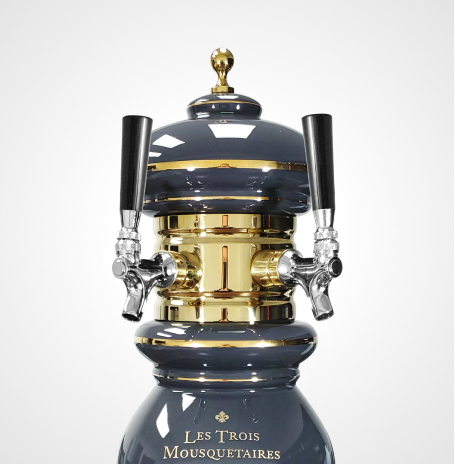
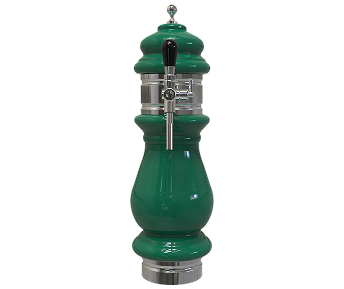
Single-, two-, and three-line Ceramic Silva towers are ideal for smaller tap lists, curated beer programs, and front-bar installs where a premium decorative look is a priority. These models are available in both air-cooled and glycol-cooled options depending on your system requirements.

Ceramic Silva Towers: 4–8 Line Configurations

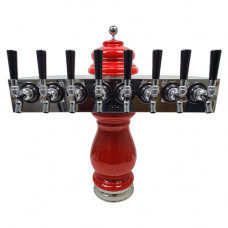
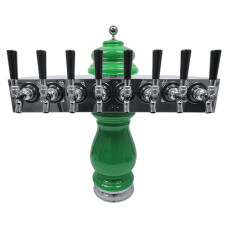
For higher-volume service or larger tap menus, Ceramic Silva towers are available in multi-line builds such as 4-, 6-, and 8-line configurations. These setups are commonly used in busy bars, restaurants, and taprooms where multiple taps need to be grouped into a single, visually distinctive tower.

Air-Cooled Models
Air-Cooled Models

Air-cooled ceramic towers are designed for installations where tower cooling air can be routed effectively from the cooler to the tower. They are commonly chosen for standard systems with shorter runs and stable operating conditions.

Glycol-Cooled Models

Glycol-cooled ceramic draft beer towers support installations where maintaining a stable serving temperature at the tower is more demanding. These models are often preferred for higher-load systems, longer runs, or layouts where controlling tower temperature is critical for consistent pour performance.

Selecting the right ceramic draft beer tower comes down to matching the tower configuration to your tap count, cooling method, and system layout. Choosing correctly helps protect pour quality, reduce foam risk, and support reliable service.

Choose the Number of Lines

Start with how many taps you need on the tower:

  • 1–2 lines: smaller menus, single-feature taps, lower-volume service
  • 3–4 lines: mid-size tap programs and standard commercial use
  • 6–8 lines: high-volume service, larger tap lists, grouped tap stations

It’s usually better to plan for your expected menu size rather than undersize the tower and rebuild later.

Select Air-Cooled or Glycol-Cooled

Your cooling method should match the demands of the installation:

  • Air-cooled towers are typically used when cooling air can be routed efficiently and runs are relatively short.
  • Glycol-cooled towers are preferred when temperature control is more demanding—such as higher-volume service, longer runs, or environments where heat gain at the tower can affect pours.

Confirm Draft System Compatibility

Make sure the tower aligns with your draft infrastructure, including:

  • Shanks and faucets
  • Beer line routing (direct-draw or long-draw)
  • Cooling support (air ducting or glycol lines)

Consider Front-of-House Design Requirements

If your goal includes visual impact, a decorative beer tower in ceramic finish provides a premium presentation while still supporting commercial draft performance. For high-traffic bars and taprooms, stainless and glycol options are often chosen for durability and stable temperature control.


If you’re unsure which configuration fits your layout, our team can help match tower line count and cooling type to your draft system requirements.

Applications of Ceramic Beer Towers

Ceramic draft beer towers are used in commercial environments where both presentation and dispensing performance matter.

Bars & Pubs
Bars & Pubs

A strong choice for front-bar installs where a decorative tower enhances the guest experience while supporting consistent multi-tap service.

Restaurants
Restaurants

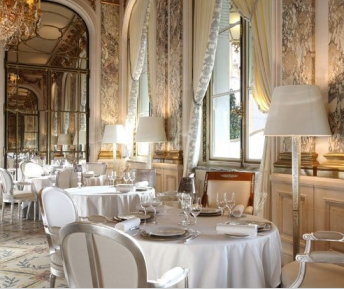
Works well for curated tap menus and high-visibility bar areas where premium aesthetics are important.

Breweries & Taprooms

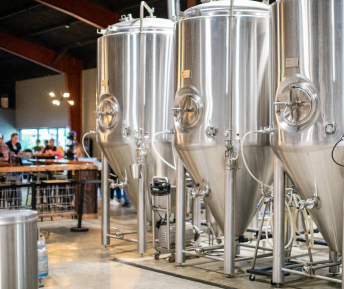
Works well for curated tap menus and high-visibility bar areas where premium aesthetics are important.

High-Volume Venues
High-Volume Venues

Multi-line ceramic towers are used in busy service environments where several taps need to be grouped into a single tower station.

Long-Draw Draft Systems

Glycol-cooled ceramic towers are commonly selected for installations where stable temperature at the tower is critical for pour consistency.

about ubc

Ordering & Wholesale Information

UBC Group USA supplies ceramic beer towers exclusively to professional customers and wholesale partners throughout the United States, with active distribution and fulfillment support in key markets including California, Illinois, New York, South Carolina, North Carolina, Florida, Georgia, Washington, Tennessee, and Texas.

Create an account to access wholesale pricing and available configurations, or contact our team for assistance selecting the right ceramic tower line count and cooling type for your draft system.

Most orders ship within 24 hours via UPS or freight carrier, depending on size and destination.

Frequently Asked Questions

A ceramic beer tower is a draft tower with a ceramic exterior finish designed to provide a premium, decorative presentation while supporting professional dispensing performance.

Ceramic towers are often chosen for their distinctive visual design and front-of-house presentation. Performance depends on configuration and cooling method, similar to other commercial towers.

Yes. Ceramic towers are commonly used in bars, restaurants, and taprooms where appearance and reliability are both important.

Air-cooled models are typically used when cooling air can be routed effectively and runs are shorter. Glycol-cooled models are preferred where tighter temperature control is needed—especially for higher-volume or more demanding installations.

Choose based on your tap list and service volume. 1–2 lines fit smaller menus, 3–4 lines support mid-size programs, and 6–8 lines are suited for high-volume multi-tap service.

Yes. Glycol-cooled ceramic towers are commonly used for long-draw installations where maintaining a stable tower temperature is critical for pour consistency.

In many installations, yes—but it depends on whether your system supports glycol circulation and the required connections. The tower choice should match the cooling infrastructure.

Maintenance is similar to other draft towers. Proper cleaning schedules, correct line routing, and appropriate cooling are the main factors for reliable performance.

Included components vary by model, but towers are typically configured for the selected line count and cooling type. Faucets, shanks, and installation components may depend on your specific setup.

Multi-line towers (such as 4–8 lines) are commonly used in high-volume environments. Glycol-cooled options are often preferred when consistent temperature control is required during heavy service.