Managing CO₂ and gas safety is a critical responsibility in any commercial beverage environment. Bars, restaurants, breweries, and event venues rely on CO₂ and nitrogen to power draft beer systems, soda BIB stations, and beverage dispensing equipment — often within confined or poorly ventilated spaces.
Even small gas leaks can allow CO₂ to accumulate at floor level, creating an invisible and potentially dangerous hazard for staff working in walk-in coolers, keg rooms, and storage areas. In addition to safety risks, undetected leaks contribute to wasted gas, unstable pressure, inconsistent pours, and increased operating costs. Undetected leaks contribute to wasted gas, unstable pressure, and inconsistent pours — often originating at CO₂ & Nitrogen Regulators and gas connection points.
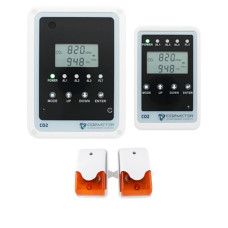
The Detectors & Monitors category from UBC Group USA includes commercial-grade CO₂ safety monitoring systems and in-line gas leak indicators designed specifically for beverage operations. These solutions provide continuous monitoring, early warning alerts, and visual diagnostics that help operators identify issues before they escalate into safety incidents or system failures.
Detectors and monitoring devices used in commercial beverage systems are designed to address two different technical risks:
Each device type uses a different detection method, installation approach, and response mechanism. Together, they form a complete gas safety and control layer within professional beverage operations.
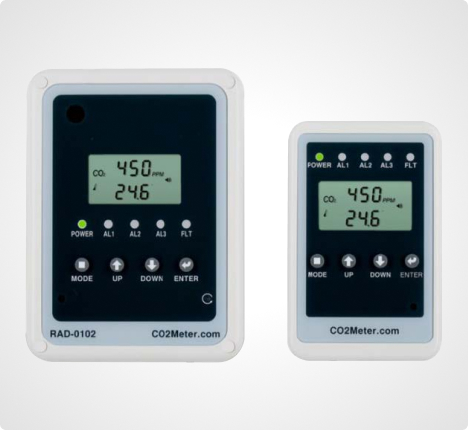
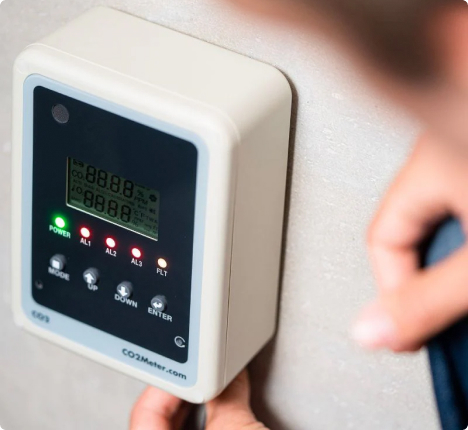
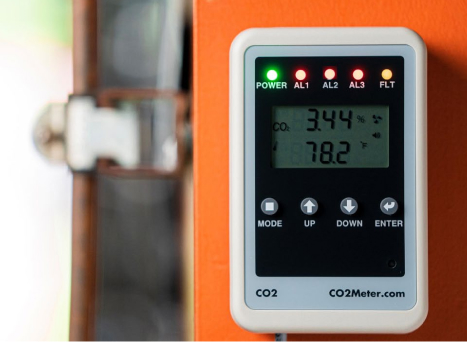
These monitors are designed to measure ambient gas concentration in confined areas such as walk-in coolers, keg rooms, BIB closets, and CO₂ storage spaces.
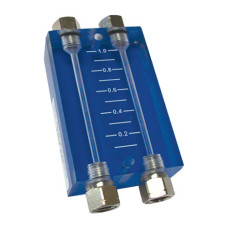
In-line gas leak indicators are designed to detect unintended gas flow within pressurized CO₂ or nitrogen supply lines, rather than ambient air conditions.
In professional beverage installations, enclosed-space monitors and in-line leak indicators serve complementary roles:
This layered approach ensures that gas risks are addressed both at the environmental level and within the pressurized delivery system itself.
Detectors and monitoring devices are used across a wide range of commercial beverage environments where pressurized gas systems operate in enclosed or high-use areas. The correct application depends on where gas is stored, how it is distributed, and who is exposed to potential risk.

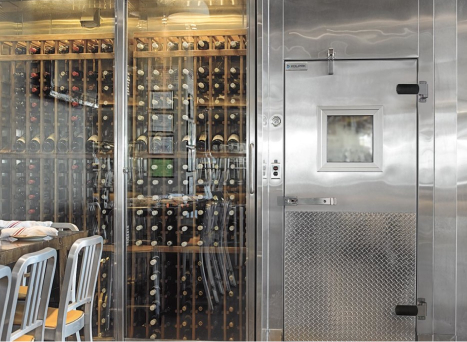
Walk-in coolers and keg rooms often contain gas cylinders, regulators, and distribution lines in confined spaces with limited ventilation.
Recommended monitoring approach:
These areas present a direct exposure risk to staff, making ambient monitoring essential for safe daily operations.

Bars and restaurants typically operate multiple gas-powered systems behind the scenes, including draft beer lines, soda systems, and beverage prep zones.
Common applications include:
Recommended monitoring approach:
This combination protects employees while also identifying gas loss that could impact service quality.

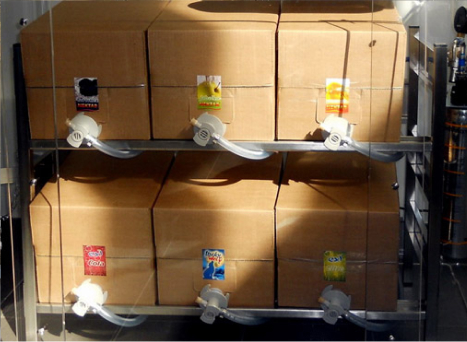
Bag-in-Box soda systems frequently use multiple CO₂ cylinders located in small, enclosed spaces with frequent staff access.
Recommended monitoring approach:
These environments benefit from early warning and visual diagnostics without disrupting daily operations.

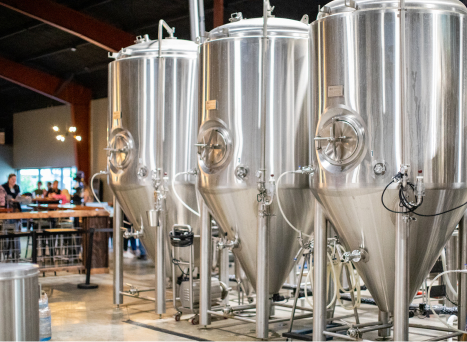
Breweries and taprooms often operate more complex gas systems across multiple areas, including production, storage, and service zones.
Typical use cases include:
Recommended monitoring approach:
Layered monitoring supports both worker safety and consistent system performance.

Large venues often manage multiple beverage systems spread across wide facilities with centralized gas storage and long distribution runs.
Recommended monitoring approach:
These environments require scalable monitoring solutions that support both safety compliance and operational continuity.

Detectors and monitoring devices also play a critical role during:
Recommended monitoring approach:
In-line indicators allow technicians to quickly isolate gas loss, while ambient monitors provide documented evidence of safe operating conditions.
Implementing detectors and monitoring devices in commercial beverage systems delivers both safety protection and operational control. These solutions help beverage operators identify risks early, maintain stable system performance, and reduce avoidable losses caused by undetected gas issues.
Monitoring devices reduce the risk of staff exposure to hazardous gas conditions in confined spaces. Ambient gas monitors provide early warning when gas levels rise, allowing employees to assess conditions before entering storage rooms, walk-ins, or service areas.
Clear alerts and visible indicators help prevent accidental exposure and support safer daily workflows in back-of-house environments.
In-line gas leak indicators identify unintended gas flow directly within pressurized supply lines. This allows operators and technicians to detect leaks before pressure loss affects beverage dispensing or equipment performance.
Early detection reduces troubleshooting time and prevents minor issues from developing into larger system failures.
Undetected leaks can result in significant CO₂ or nitrogen loss over time. Monitoring devices help:
By addressing leaks early, operators gain better control over gas usage and operating expenses.
Consistent gas pressure is essential for proper carbonation, clean pours, and reliable beverage delivery. Monitoring devices help maintain:
This leads to a better customer experience and fewer operational disruptions.
Visual indicators and clear alarm signals make it easier for staff and service technicians to:
This reduces downtime and improves service response times.
Gas detection and monitoring devices support compliance with workplace safety guidelines and fire code requirements by:
Proper monitoring helps facilities meet regulatory expectations and reduces the risk of violations or operational shutdowns.
Detectors and monitors can be deployed in:
This scalability allows beverage operators to expand or adapt their monitoring strategy as systems grow.
With continuous monitoring and visual diagnostics in place, operators gain confidence that gas systems are functioning safely and efficiently — even during high-volume service or off-hours.
Every beverage operation has a unique layout, gas system design, and operational workflow. Detectors and monitors can be configured to match these conditions through flexible installation and integration options.
Monitoring systems can be configured to align with:
This allows operators to implement appropriate response levels without overcomplicating daily operations.
Support for additional displays, alarms, and extended wiring allows monitoring solutions to:
Monitoring devices can be connected to:
This integration supports automated responses and centralized safety management.
Commercial environments often require extended cable runs and non-standard mounting locations.
Available options support:
These options ensure clean installation and reliable performance in real-world environments.

Implementing gas detection and monitoring solutions is a straightforward process with support from UBC Group USA.
Our team assists with selecting the appropriate detectors and monitors based on facility layout, gas system complexity, and safety requirements.
UBC Group USA is a trusted supplier of commercial gas detection and monitoring solutions for bars, restaurants, breweries, stadiums, and hospitality groups nationwide — supporting customers from product selection through installation.
Gas detection and monitoring are required or strongly recommended under multiple safety and occupational standards, including NFPA, IFC, NBIC, OSHA, and NIOSH exposure guidelines. Many local jurisdictions mandate gas monitoring in beverage gas storage rooms, walk-in coolers, BIB stations, and other enclosed spaces to protect employees and support compliance during inspections.
Installation depends on the type of monitoring device:
This layered placement ensures both personnel safety and system performance monitoring.
For ambient gas monitoring systems, multi-stage alarms provide escalating alerts as gas levels increase:
These stages help staff respond appropriately at each escalation point.
Yes. Many commercial gas monitoring systems include relay outputs that allow integration with:
Integration enables automated response and centralized safety management.
Many devices are designed for straightforward installation using pre-configured settings and standard mounting guidelines. However, facilities with complex layouts, extended cable runs, or integrated ventilation and alarm systems may benefit from professional installation to ensure optimal performance and compliance.
Maintenance requirements vary by device type and operating environment. Ambient gas sensors typically require periodic calibration according to manufacturer recommendations, while in-line leak indicators require minimal maintenance and no calibration. Routine checks help ensure reliable detection and accurate readings.
It depends on your facility layout and system complexity. Facilities with multiple walk-ins, gas storage areas, or extensive gas distribution networks often require:
A properly designed monitoring strategy scales with system size and usage.
Gas detection and monitoring are essential components of professional beverage system design. Whether you need ambient gas safety monitoring, in-line leak detection, or a combination of both, UBC Group USA provides commercial-grade solutions trusted by beverage operators nationwide.
Contact UBC Group USA for product guidance, compliance support, and fast nationwide shipping. Our team will help you select the right detectors and monitors to protect staff, reduce gas loss, and keep your beverage operation running safely and efficiently.