Elevate your beverage business with unbeatable glycol chiller deals


 Sign In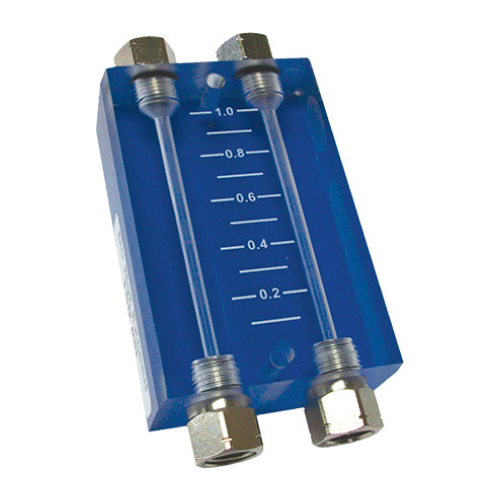
Double In-line leak indicator
- SKU: MV035
 12 Months Warranty
 Fast delivery
 Easy returns
 Product support
Carbon Dioxide Nonsense
You need a leak check buddy. Do you have your leak check buddy?
Safety concerns take up a fair amount of my time as the safety program manager here at McDantim. We work with high-pressure gases, asphyxiant gases, and normal office dangers, like papercuts and standing on wheelie chairs when no one is looking to water one of the 25 plants in my office. Now, the last concern is totally directed at me being a lazy dum-dum who doesn’t want to go get a step stool late on a Friday afternoon, but I SHOULD KNOW BETTER. We are fortunate to have checks in place to make sure everyone is safe on and off-site. We don’t go off-site very often, but when we do, it’s for training purposes: draught system troubleshooting or installs with our administrative staff so we can help you as much as possible. Plus, information and education are our pride points to provide the best customer service we can. While off-site, we have portable CO₂ monitors for our employees to wear. Not all coolers are equipped with CO₂ monitors, so better safe than sorry.
We get a fair amount of tech calls about leaking systems. These calls are always a little nerve-wracking for us because of the hazards associated with CO₂ intoxication. “If you think you have a leak, have someone with you or watching you while you check.” We had a horrendously distressing tech call a few months back where an end user thought she had a leak. She went into the cooler and felt a little dizzy and called us for assistance. Dan took this call and told her to have someone with her or watch her while she checked. While on the phone, the other line disconnected. We proceeded to freak out here at McDantim, and her employee called and said she was passed out on the floor in the cooler. Holy crap on a cracker. Get her out of there, call 911. Call us back. Thankfully, she is fine. I even talked with a gal here in Montana who was driving to a beer fest, transporting her CO₂ and jockey box in the car when she started feeling dizzy. She knew to roll down her windows and pull over to check the CO₂ cylinder, which was leaking.
We want you to be safe when you check your system. We recommend CO₂ Meter for your CO₂ monitors at your facility and for out-of-office troubleshooting.
For so long, people have been using “detector” for the nomenclature, which is patently wrong. This device shows gas flow, regardless of the gas flowing through the tubes. Detectors sometimes act more like sniffers, which just makes me think of a cartoon bloodhound, and can be purchased at your local hardware store. But for leak detection in draught beverage systems, we like to use our Pressure Degradation test (on our YouTube, shameless plug) or soapy water. Now, if you have a massive system, drenching the whole thing in soapy water in hopes of seeing bubbles can be a bit laborious. Installing an ILLI at a vital point can help you determine, when no gas is intentionally being used, if you have gas flowing.
The numbers next to the tube don’t explain the liters per minute or cubic feet per hour you’re losing. The levels on the ILLI, shown here, indicate the severity of the gas flow. And there are some cute little screens to inhibit any debris from getting into said tubes that could make the ball stick. Making sure the ILLI is installed correctly for the gas supply flow is vitally important. Gas Flow + Plastic Ball = Float. Gas Flow – Plastic Ball + Gravity = Drop. Gravity + Plastic Ball + Upside Down ILLI = Stuck & No Flow. (Dan says it can flow to a point, but if the system is pressurized suddenly, the ball can lodge and get stuck, thus No Flow.)
As a certified human dum-dum, I have installed stuff upside down more than I would like to admit. I have also forgotten about gravity, and how heartless it can be: what do you mean I can’t carry a glass of beer and bend over at the waist to pick something up and NOT spill beer all over my shoes?! Fortunately, reconnecting the tubing for the ILLI to ensure proper gas flow is much easier than trying to explain to my friends that I am NOT a hot mess who has the grace of a newborn giraffe.
The ILLI is a marvelous addition to your gas supply system, and, when installed correctly, can help you identify the gas flow so you can find and fix leaks as soon as they appear. If only I could find something to help me not spill my beer…
 ILLI-Brochure-MASTER.pdf
Enhance safety and reduce costs by effectively identifying gas leaks with the McDantim In-Line Leak Indicator. This innovative and easy-to-install device can be positioned before or after the blender, allowing for precise detection of various types of leaks. It can be fitted with standard hose barb sizes of 1/4", 5/16", or 3/8", making it an excellent choice for systems that handle multiple kegs.
Given that gas leaks can occur at any time in your beer dispensing system, it’s vital to address them swiftly, regardless of their size. The McDantim gas leak detector empowers you to quickly ascertain if there’s a leak in your keg system and to evaluate its magnitude, enabling timely action.
As a particularly effective nitrogen detector, this tool is essential for systems utilizing nitrogen generators. By identifying leaks promptly, you can conserve both gas and electricity, while also preventing potential damage to compressors. The financial implications of repairing or replacing compressors can be significant. Investing in the McDantim inline gas leak indicators not only promotes operational efficiency but also proves to be a wise long-term investment, effectively safeguarding your resources.
This McDantim Double In-Line Leak Indicator Features
- Dual-line leak detection
- High sensitivity
- Durable construction
- Cost-efficient leak monitoring
- Wide compatibility
How to Use McDantim Double In-Line Leak Indicator
- Check the double in-line leak indicator only when you’re not dispensing beer. Allow a minimum of thirty minutes to pass after your last pour before checking.
- Whenever the ball does not sit at the bottom of the tube, it indicates that gas is escaping. If gas is present and you aren’t serving beer, it suggests a leak. The higher the ball floats, the more significant the leak.
- Even a minor leak of just half a cubic foot per hour can waste more gas over the course of a day than what you would require to serve two kegs of beer.
Double In-Line Gas Leak Detectors Features from UBC Group USA
This double-line leak indicator for beverage systems from UBC Group USA is your go-to tool for maintaining the performance and safety of the equipment. This reliable dual-line gas leak tool not only optimizes leak detection but also ensures your operations run smoothly.
Available at a competitive price, it’s especially advantageous for those making large wholesale purchases, as significant discounts are offered. To find the best price and exclusive promotions, be sure to open an account on the website.
With quick shipping across the USA, you can enhance your leakage management without delay and safeguard the quality of your beverages effectively.
Other Products you may like

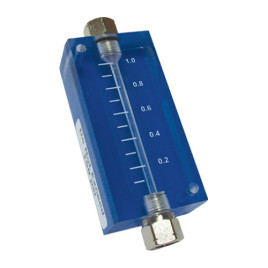
Single In-line leak indicator
SKU: MV039