Elevate your beverage business with unbeatable glycol chiller deals


 Sign In
Jun 5 2024
5666
Key Takeaways
- 2-tap towers are the “sweet spot” for versatility and space efficiency, perfect for small bars, home setups, and mobile/event service.
- Modern 2-tap towers blend function with branding and tech, offering features like flow sensors, LED handles, and POS integration for smart inventory and quality control.
- Material choice and finish are as important as function: stainless steel is preferred for durability, while matte black, copper, and custom wraps are trending in 2025.
- Cooling method matters: Air-cooled towers suit short runs and home bars; glycol-cooled are better for long-draw or warm/humid environments.
- Conversion kits make it easy to upgrade from single-tap or retrofit existing setups, allowing flexibility as needs change.
- Proper installation and regular maintenance are crucial for draft quality, compliance, and ROI—neglect leads to foaming, off-flavors, or downtime.
- ROI is strong: Draft beer served from a 2-tap tower drives higher margins, reduced waste, and greater guest satisfaction compared to bottles/cans.
- 2-tap towers are future-proof: Modular smart features and flexible cooling allow venues to scale up or adapt as beer menus and business needs evolve.
Walk into any well-run American taproom or even a home bar in 2025, and you're likely to see a clean, sleek 2-tap tower at the center of the action. But why has this setup become so popular? Simple: versatility, space efficiency, and smart beer service.
Unlike larger multi-tap towers that require more space and cooling complexity, the 2-tap system hits a sweet spot. It allows you to pour two distinct beer styles—say, a crisp lager and a hop-heavy IPA—without overwhelming your bar layout or your cooling system. For many bars, food trucks, events, and even office setups, that’s all you need.
Who Is This For?
- Small to Mid-Size Bars: Perfect for venues with limited counter space or low-to-mid volume.
- Home Bar Owners: A great option for serious hobbyists who want variety without overcomplicating things—especially when installed with a kegerator.
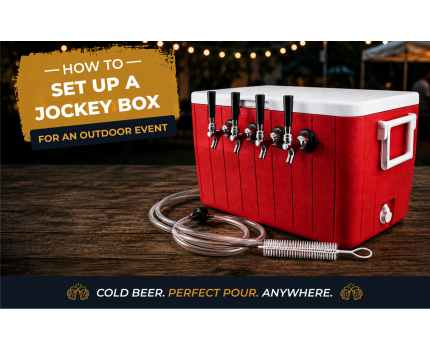
- Mobile/Event Setups: Food trucks, weddings, festivals—it’s compact and easy to install with portable cooling & dispensing equipment.
- Restaurants: Especially those focused on quality over quantity. Two taps = curated beer experience.
2025 Relevance
As more bars embrace local craft options, dual taps allow owners to rotate seasonal or experimental styles without needing an expansive tap list. Add to that the rise of smart tap tracking and analytics, and the 2-tap tower becomes a core component of efficient, data-driven service.
What Makes It Smart?
Some modern 2-tap towers now come with:
- Flow sensors that detect inconsistencies or excess foam
- Keg level monitors integrated with POS systems
- LED-lit handles with branding or pour data
In short, 2-tap towers aren’t just a space saver. They're a strategic tool for enhancing pour control, minimizing waste, and keeping customers happy with consistent, well-served beer.
Whether you're upgrading your existing system or planning a new install, the 2-tap tower remains a reliable, adaptable centerpiece of any draft setup.
Materials, Finishes & Customization Trends
The right 2-tap tower doesn’t just function well—it needs to look the part too. In a competitive market where aesthetics can define a brand’s identity, materials and finishes are no longer afterthoughts.
Material Comparison: Stainless Steel vs. Chrome vs. Brass
Stainless Steel
- Durable, corrosion-resistant, and long-lasting—see our full line of draft beer towers for all material options.
- Resists flavor contamination (non-reactive)
- Preferred for high-end or heavy-use commercial setups
Chrome-Plated Brass
- Common in budget or mid-range towers
- Shiny and sleek—but can corrode over time if plating wears
- Requires more regular cleaning to maintain finish
Brass (Raw or Polished)
- Offers a vintage aesthetic
- Susceptible to tarnishing if not treated
- Great for themed bars or retro-style venues
Trending Finishes in 2025
- Matte Black (PVD Coated): Modern, industrial look; scratch-resistant
- Copper or Bronze Finishes: Popular in upscale cocktail bars
- Powder-Coated Iron Pipe Builds: Growing in craft and rustic-style taprooms
- LED-Illuminated Towers: Used for branding, especially in sports bars or high-energy venues
Customization Possibilities
- Logo Wraps & Laser Engraving: Branding options for breweries and taprooms
- Faucet Variety: Add stout faucets, forward-seal taps, or self-closing handles
- Tower Height & Diameter Adjustments: Tailored to unique bar counter heights or ADA compliance
Whether aiming for clean stainless minimalism or bold industrial flair, U.S. bars in 2025 are using tower design to speak to their brand identity. And as more customers post their pints on social media, design matters just as much as pour quality.
Cooling Technologies: Air vs. Glycol in U.S. Climates
While a 2-tap tower might seem like a straightforward installation, its performance depends heavily on how it’s cooled. Choosing between air-cooled and glycol-cooled systems can drastically affect beer quality—especially across varied U.S. climates.
Air-Cooled Towers
Air is circulated from the refrigeration unit through an insulated duct or trunk line to keep the beer lines cold.
Best For:
- Short-draw systems (less than 25 feet)
- Direct-draw kegerators or undercounter fridges
- Home or light-commercial setups
Pros:
- Lower installation cost
- Simpler to maintain
- No glycol to manage
Cons:
- Less consistent temperature control
- Prone to warming in high-temp environments
- Can cause foaming with long lines
Glycol-Cooled Towers
A glycol chiller pumps chilled glycol (propylene glycol and water) through lines that wrap around the beer lines in an insulated trunk.
Best For:
- Long-draw installations (25+ feet)
- Hot or high-humidity U.S. regions (e.g., Texas, Florida)
- High-volume bars needing consistency
Pros:
- Superior temperature stability
- Reliable performance regardless of ambient temperature
- Supports multiple towers and taps
Cons:
- Higher upfront cost
- Requires regular glycol checks and maintenance
Energy Efficiency & ROI
Modern glycol chillers use smart thermostats and eco-friendly refrigerants to reduce energy use. For venues with moderate-to-high throughput, the ROI from waste reduction and pour consistency often offsets initial system cost within the first 12–18 months.
Tip: Pairing an insulated tower with the right cooling tech significantly improves foam control and beer freshness—critical for U.S. regions with major seasonal temperature swings.
Smart Features: The Future of 2-Tap Towers
In 2025, even a modest 2-tap tower can deliver high-tech insights and automation. As bars and restaurants seek better inventory control, consistency, and data analytics, smart towers have transitioned from novelty to necessity.
Integrated Flow Meters & Pressure Sensors
Modern towers come equipped with sensors that:
- Monitor exact ounces poured
- Track flow rate irregularities (detect over-pouring or foaming)
- Send alerts if PSI levels drop or exceed optimal range
These help reduce waste and allow real-time performance adjustments.
App & POS Integration
New systems sync with POS platforms and mobile apps to:
- Automatically log beer pours to customer tabs
- Adjust pricing by pour volume or happy hour setting
- Trigger low-keg or cleaning cycle reminders
Popular platforms: BarTrack, PourMyBeer, TapHunter, and digital tap handles like DigitalPour.
Visual Feedback & Engagement
Some towers now include:
- LED-lit tap handles displaying logos or pour data
- Digital displays showing beer name, ABV, and remaining ounces
- Custom color-coded rings for branding or tap type
For customers, this tech isn’t just informative—it elevates the experience and encourages interaction.
Remote Diagnostics & Clean Alerts
Smart towers send maintenance alerts when:
- Cleaning cycles are overdue
- Temperature deviates from setpoints
- Foam or pour issues increase suddenly
Why it matters: These features are invaluable for multi-location operations or event bars with minimal staff.
Adopting smart features in a 2-tap setup doesn’t mean going overboard. Most of today’s technology is modular—letting you upgrade as needed, while still keeping the setup streamlined and affordable.
Conversion Kits & Hybrid Setups
Not every draft beer system starts from scratch. Many bar owners and home enthusiasts retrofit their existing single-tap setups or direct-draw kegerators into fully functioning 2-tap systems—and that’s where conversion kits and hybrid builds come in.
Dual-Tap Conversion Kits
These plug-and-play kits typically include:
- A new 2-faucet tower
- Additional shank and tubing
- Dual-output regulator or splitter
- Required clamps, washers, and gaskets
Popular for:
- Home bars and garages
- Restaurants repurposing single-tap setups
- Temporary event setups
Installation Time: Less than 30 minutes with basic tools
Tip: Choose kits with stainless steel contact points for long-term flavor protection and ease of cleaning.
Hybrid Systems: Air + Glycol Upgrades
Some venues start with an air-cooled base and layer in glycol loop enhancements for greater cooling consistency. This is ideal for:
- Moderate-length runs (25–35 ft)
- Venues that expand over time
- Upgrading without total rebuild
Benefits:
- Flexibility in system scaling
- Enhanced temp control without full glycol install
- Compatibility with smart tower components
When to Consider a Retrofit
- You want to double draft options without replacing the entire system
- You're converting from home use to commercial service
- Your bar layout changes and you need more flexibility
Conversion kits and hybrids let you scale responsibly—ideal for U.S. venues navigating tight margins or changing beer menus without massive upfront investment.
Installation, Maintenance & Compliance Tips
Installing a 2-tap tower may seem simple on the surface, but proper setup and maintenance are critical for ensuring optimal performance and regulatory compliance in the U.S. market. Whether you’re dealing with a home bar or a high-traffic restaurant, a solid understanding of best practices can save you from costly mistakes.
Installation Essentials
Basic Tools You’ll Need:
- Drill (for mounting the tower base)
- Wrench or spanner for tightening fittings
- Level and measuring tape
- Hole saw (if modifying countertop or fridge)
Steps Overview:
- Position the tower: Center it above your keg fridge or through a bar top.
- Drill and seal: Mount securely using the provided gasket and screws.
- Run tubing: Connect beverage and gas lines through the tower base to the keg couplers.
- Insulate: Use foam insulation inside the tower to reduce condensation and keep beer lines cold.
Pro Tip: If using a glycol system, make sure the trunk lines are correctly wrapped around your beer lines and that your glycol reservoir is primed and balanced.
Maintenance Guidelines
Routine maintenance is non-negotiable. It prevents off-flavors, foam issues, and equipment wear.
Recommended Tasks:
- Clean lines every 2 weeks with an alkaline cleaner, followed by an acid rinse monthly
- Check seals and gaskets for leaks or brittleness
- Inspect faucets for buildup or loose fittings
- Flush with sanitizer if not used for 2+ days
Smart Feature Sync: For towers with tech, integrate auto-clean reminders or keg-empty alerts with your POS system.
U.S. Compliance Considerations
Health Codes & OSHA:
- Towers must have drip trays (plumbed or dry style) to catch spillage
- Gas tanks (CO₂ or nitrogen) must be stored upright, secured, and labeled with hazard stickers
- Ventilation must meet local fire and building codes, especially in enclosed keg rooms
ADA Considerations:
- Counter height and faucet reach should meet ADA guidelines (especially for public self-serve setups)
- Some U.S. states may require tactile or visual tap identifiers for accessibility
Troubleshooting Quick Hits
| Issue | Likely Cause | Fix |
|---|---|---|
| Excessive foaming | Warm lines, dirty faucet | Clean regularly, check cooling connection |
| Flat beer | Low PSI or CO₂ leak | Recalibrate regulator, check seals |
| Off-taste | Biofilm buildup, old beer | Deep clean system, rotate kegs |
Taking installation and upkeep seriously ensures long-term draft quality, regulatory safety, and customer satisfaction. Don’t cut corners here—it’s the backbone of your entire beer program.
Choosing the Right Tower for Your Use Case
Selecting the ideal 2-tap tower depends not only on your space and budget, but also on how—and where—you plan to serve beer. From mobile setups to full-scale brewpubs, each application has specific needs.
Use Case Scenarios
1. Home Bar Setup
- Preferred Features: Compact size, air-cooled, simple design
- Recommended Material: Chrome-plated brass or stainless steel
- Smart Add-Ons: Basic flow meter or LED handle (optional)
2. Small to Mid-Size Bar or Restaurant
- Preferred Features: Durable build, glycol compatibility, forward-seal faucets
- Recommended Material: Stainless steel or matte black PVD
- Smart Add-Ons: Flow tracking, POS integration, keg level sensors
3. Mobile/Event Service (Food Truck, Wedding, Pop-Up Bar)
- Preferred Features: Lightweight, easy-to-install, dual gas options
- Recommended Material: Powder-coated iron or stainless steel
- Smart Add-Ons: Battery-powered glycol chiller, QR-code tap ID, compact regulators
4. Self-Serve Environments (e.g., tasting rooms or beer halls)
- Preferred Features: Touchless activation, clear signage, ADA-compliant layout
- Recommended Material: Brushed stainless for hygiene and easy cleaning
- Smart Add-Ons: RFID pour systems, visual feedback displays, usage caps
Quick Comparison Table
| Venue Type | Cooling Type | Material | Tech Options | Compliance Notes |
|---|---|---|---|---|
| Home Bar | Air-cooled | Chrome/Stainless | Optional flow sensors | Minimal (residential use) |
| Bar/Restaurant | Glycol | Stainless/PVD Black | POS-integrated sensors | OSHA gas storage, food safety |
| Mobile/Event | Air or Hybrid | Powder-coated Iron | Light digital features | Secure CO₂ tanks, ventilation |
| Self-Serve Taps | Glycol | Brushed Stainless | RFID, visual displays | ADA tap height, touchless activation |
Matching tower design to your environment maximizes utility and ensures a smooth pour—every time. Be realistic about your needs, and don’t overspend on tech you won’t use. Instead, focus on a durable build, precise cooling, and the right features for your flow.
Cost & ROI Estimation
Before investing in a 2-tap tower, it’s crucial to understand both the upfront costs and the long-term value it brings. Draft systems offer some of the highest profit margins in the beverage industry—if designed and maintained properly.
Cost Breakdown
| Component | Price Range (USD) |
|---|---|
| 2-Tap Tower (Basic) | $100 – $250 |
| Stainless Steel Tower | $250 – $400 |
| Glycol-Ready Tower | $400 – $700 |
| Smart Features (modular) | $150 – $500 per module |
| Full Conversion Kit | $200 – $350 |
| Installation (pro labor) | $150 – $500 |
Pro Tip: Going for mid-range quality materials (stainless steel, forward-seal faucets) often reduces maintenance costs and downtime over time.
ROI Potential
- Draft vs. Bottled Margin: Draft beer typically delivers 70–80% profit margins, compared to 50–60% for bottles/cans.
- Reduced Packaging Waste: Lower overhead and environmental impact.
- Faster Service: Streamlined pouring = more customers served = increased throughput.
- Smart Monitoring Savings: Cuts waste by detecting leaks, tracking inventory, and prompting timely cleanings.
ROI Timeline
Most bars recover the cost of a quality 2-tap setup in 3–6 months, especially if paired with high-turnover beer styles and off-peak specials.
Long-Term Value
- Increased Sales Variety: Rotate styles without overwhelming storage or layout.
- Guest Satisfaction: Serve beer at the ideal temp and pressure consistently.
- Brand Equity: A well-designed draft setup reflects professionalism and quality.
Even with a modest investment, a well-maintained 2-tap tower offers ongoing returns—both financially and operationally. For new venues and budget-conscious operators, it’s the smartest way to enter the world of draft beer without overextending capital.
Conclusion
Choosing a 2-tap draft beer tower in 2025 is about much more than simply pouring two beers. It’s about finding the perfect balance between function, form, and financial return. Whether you're a home bar enthusiast looking for a polished pour, or a restaurant owner wanting to optimize every ounce, the 2-tap tower offers a strategic blend of efficiency, customization, and modern tech.
You’ve now seen how these systems can be tailored to venue types, climate needs, tech aspirations, and branding goals. We offer strong ROI, reliable operation, and a platform for future expansion or upgrades—without overwhelming your footprint or your budget.