Elevate your beverage business with unbeatable glycol chiller deals


 Sign In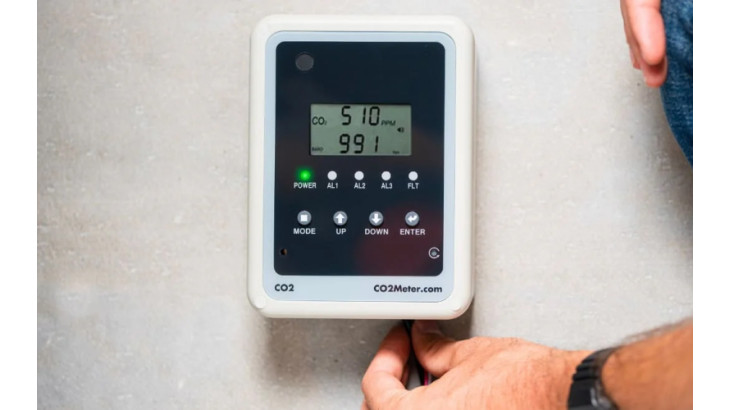
Dec 12 2025
3705
Key Takeaways:
- A CO₂ meter ensures stable pressure, consistent carbonation, and better pour quality across all draft beer lines.
- It protects staff by detecting CO₂ leaks early, especially in high-risk areas like walk-in coolers and keg rooms.
- Continuous CO₂ monitoring reduces foam waste, lowers operational losses, and increases overall system reliability.
- CO₂ meters help bars and breweries stay compliant with OSHA and modern gas-safety requirements.
- When paired with a well-balanced draft system, CO₂ monitoring becomes essential for delivering perfect pours every time.
Draft beer systems depend on one critical element to work properly: CO₂ pressure. It’s the force that pushes beer from the keg to the tap, maintains the correct level of carbonation, shapes the flavor profile of each style, and controls how smoothly beer pours into the glass. But despite how essential CO₂ is to every draft system, very few operators actually monitor it — and even fewer measure it accurately.
A CO₂ meter changes that completely. It gives bars, breweries, restaurants, and taprooms the ability to track real-time gas levels, prevent foaming, maintain consistent carbonation, and detect leaks long before they become dangerous. In other words: a CO₂ meter is both a quality-control tool and a safety device, and it’s becoming increasingly necessary as draft systems grow more complex and more heavily regulated.
Modern draft systems involve multiple keg lines, varying beer styles, long-draw trunk lines, blended gas systems, glycol chillers, and different pressure requirements depending on style and temperature. The more moving parts you have, the more important it becomes to control one constant: stable CO₂ levels. When CO₂ fluctuates, everything else follows — pour quality, head retention, consistency, waste, and even customer satisfaction.
There’s also the safety factor. CO₂ is both colorless and odorless, and in enclosed areas like walk-in coolers, keg rooms, or bar cellars, gas can accumulate quickly without any visible indication. A CO₂ meter is the only reliable early-warning system that protects staff from exposure and helps businesses meet OSHA and local code requirements.
As consumer expectations increase and bars compete on freshness and quality, CO₂ meters are no longer optional. They’re an essential part of running a reliable, safe, and profitable draft beer system.
What a CO₂ Meter Does in a Draft Beer System
A CO₂ meter is a device that continuously measures the amount of carbon dioxide present in the air or inside the draft system’s gas environment. In beer dispensing, this means monitoring:
- the CO₂ pressure pushing beer from the keg
- the ambient CO₂ levels in walk-in coolers and keg rooms
- the stability of carbonation inside the keg
- the balance between CO₂ and nitrogen in blended gas systems
Because CO₂ is invisible and naturally settles in low-lying areas, staff cannot “see” or “smell” issues. Without a meter, operators are working blind — relying on guesswork, inconsistent pours, or manual pressure checks that don’t reflect real-time conditions.
A CO₂ meter provides continuous, automatic, and accurate data, which is the key to preventing foam issues, maintaining consistent beer quality, and ensuring a safe working environment.
Stabilizes CO₂ Pressure for Better Carbonation
In any draft beer system, the balance between temperature and gas pressure determines how the beer tastes. If pressure is too high, beer becomes over-carbonated and pours with excessive foam. If it’s too low, carbonation escapes from the liquid, leaving the beer flat, dull, and inconsistent from one glass to the next. A CO₂ meter gives operators the ability to maintain stable pressure with high-quality CO₂ and nitrogen regulators, instead of relying on trial and error or occasional regulator checks.
By tracking pressure trends, a CO₂ meter helps bars and breweries spot early signs of instability—such as a sudden drop caused by a regulator malfunction or a gradual rise due to temperature changes in the cooler. These fluctuations often go unnoticed until customers start returning pints or bartenders struggle to get a clean pour. With accurate, real-time pressure monitoring, operators can maintain the ideal CO₂ levels for each beer style, preserve flavor integrity, and improve the overall drinking experience.
Reduces Foam and Beer Waste
Foamy beer is one of the most common and expensive problems in draft operations. Even small amounts of excess foam lead to waste, and during busy service hours that waste adds up quickly. Many bars accept foam loss as “normal,” not realizing that the root cause is frequently unstable CO₂ pressure—something a meter can detect immediately.
When pressure climbs too high, beer gushes through the lines, hits the faucet with unnecessary force, and expands into foam. When pressure drops, the beer becomes under-carbonated and releases CO₂ once it reaches the warmer faucet, again creating foam. Both scenarios result in unusable product, lost profits, and frustrated staff. A CO₂ meter eliminates the guesswork by showing exactly when pressure is out of specification, allowing operators to correct it before foam becomes a problem.
For bars running high-volume systems or long-draw trunk lines, even a small improvement in foam control can lead to significant savings over a month. In this way, a CO₂ meter quickly pays for itself.
Protects Product Consistency Across Multiple Lines
Modern bars and breweries often operate several lines at once, each designated for a different beer style — especially in systems that rely on precise gas balance supported by gas blenders. Each style has a preferred CO₂ range, and slight inconsistencies in pressure can dramatically change how the beer drinks. For example, IPAs lose their aroma faster when carbonation drops, while stouts can feel overly sharp if pressure rises.
A CO₂ meter helps maintain consistency across all lines by identifying pressure imbalances before customers notice them. In long-draw systems, small variations can occur between the cooler and the faucet, especially when environmental conditions change or when a regulator begins to fail. Continuous monitoring ensures that every beer poured—from the first pint of the day to the last—meets your quality standards.
By maintaining consistency, bars are able to serve reliable, predictable pints that keep guests returning, improve reviews, and strengthen the overall brand reputation.
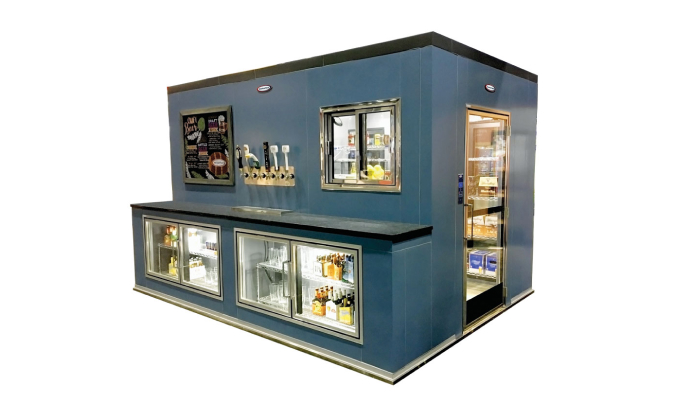
Why Walk-In Coolers and Keg Rooms Are the Highest-Risk Areas for CO₂ Accumulation
Walk-in coolers, keg rooms, and beer cellars are the core of most draft beer systems, but they’re also the environments where CO₂ hazards occur most frequently. These rooms are typically cold, enclosed, and poorly ventilated—conditions that allow escaped CO₂ to settle and accumulate. Since the gas is heavier than air, it naturally sinks to the lowest parts of the room and may reach dangerous concentrations long before anyone notices a problem.
A small leak from a cylinder valve, a worn gas line, or a loose regulator fitting can fill the cooler with CO₂ in a matter of minutes. Unlike other hazards, CO₂ is silent, invisible, and odorless; staff often enter the cooler unaware that the oxygen level has dropped. Early symptoms like dizziness, fatigue, or headaches are frequently mistaken for dehydration or stress, which means employees may ignore warning signs until levels become dangerously high.
Because coolers are accessed throughout the day and often by multiple people, the risk is constant. Deliveries, keg changes, and cleaning cycles all involve manipulating gas lines and cylinders, increasing the likelihood of accidental leaks. Long-draw draft systems add even more connection points and hoses, creating additional potential leak sources.
These factors make it essential to install a CO₂ meter directly inside the walk-in cooler or keg room. The sensor continuously measures the ambient gas level, and if CO₂ rises beyond a safe threshold, an audible alarm alerts employees instantly. Many modern CO₂ meters also include bright LED strobes or wall-mounted indicator panels outside the cooler—allowing staff to check conditions before entering.
Where to Install a CO₂ Meter in Your Bar, Brewery, or Restaurant
To maximize safety and performance, CO₂ meters should be installed in multiple strategic locations throughout the draft system environment. The most critical placement points include:
- Walk-In Cooler or Keg Storage Room
This is the primary zone of risk and must contain at least one fixed CO₂ sensor positioned close to the floor, where CO₂ naturally settles. - Gas Cylinder Storage Area
Whether cylinders are kept inside the cooler or in a separate storage zone, this space should also have a dedicated sensor. - Behind-the-Bar Draft Area
While spills are less likely here, leaks from secondary regulators or blended-gas panels can still occur. - Taproom, Cellar, or Production Area (Breweries)
In breweries, CO₂ can accumulate around fermentation tanks, carbonation stones, or fill lines—additional sensors help maintain constant awareness. - Long-Draw System Pathways
In multi-zone draft systems, installing CO₂ alarms at transition points helps detect leaks early, before they affect beer quality or safety.
Correct placement ensures that no part of the draft system is left unmonitored, and staff can respond to issues proactively rather than reactively.
How a CO₂ Meter Improves Beer Quality Across Every Line
Beyond safety and compliance, the most immediate benefit of using a CO₂ meter is the improvement in beer quality. Draft beer is extremely sensitive to pressure fluctuations—far more than most operators realize. Even a small deviation in CO₂ levels can noticeably change the way beer tastes, looks, and pours. With growing customer expectations and more bars serving craft beer, maintaining a consistent pour has become a competitive advantage, not just a technical detail.
A CO₂ meter ensures that the beer leaving the keg is in the same condition the brewer intended. By providing real-time data, it helps operators maintain the proper carbonation range for each style and ensures the system stays balanced even as temperature, keg volume, or gas usage changes throughout the day. This level of control elevates the drinking experience and prevents the quality swings that frustrate customers and staff alike.
Prevents Over-Carbonation and Under-Carbonation
Over-carbonation and under-carbonation are two sides of the same problem: unstable CO₂ pressure. Both issues are difficult to diagnose without a meter because they often occur gradually.
Over-carbonation happens when:
- CO₂ pressure is set too high
- temperature in the walk-in cooler increases
- regulators begin sticking or drifting
- blended-gas ratios are incorrect
Over-carbonated beer pours violently, wasting product and creating an inconsistent head that collapses quickly.
Under-carbonation occurs when:
- pressure drops due to a leak or empty cylinder
- beer temperature is too low
- regulators are failing or mis-adjusted
- the system has long-draw line losses
Under-carbonated beer tastes flat, dull, and lifeless, with poor head retention and weak mouthfeel.
A CO₂ meter allows operators to spot these shifts instantly. Instead of guessing which valve or regulator caused the problem, staff can respond to the exact pressure issue before customers notice.
Maintains Consistent Temperature and Pressure in Long-Draw Draft Systems
Long-draw systems are especially vulnerable to pressure inconsistencies because they involve greater distances and more connection points, making insulated trunk lines essential for maintaining temperature stability. As beer travels from the cooler to the tap, even slight fluctuations in temperature can disrupt the pressure balance.
A CO₂ meter helps offset these challenges by providing a stable reference point. When paired with glycol chillers, trunk lines, and blended-gas panels, it becomes a critical piece of the overall system—not just a safety tool, but a quality-control instrument.
Consistent CO₂ pressure ensures:
- steadier carbonation throughout all lines
- reliable flavor regardless of distance
- reduced foam at the tap
- predictable pours during peak service hours
- fewer customer complaints and returns
For bars with multiple lines and mixed beer styles, this level of consistency builds trust and strengthens the venue’s reputation for great beer.
Signs Your Draft System Needs a CO₂ Meter Immediately
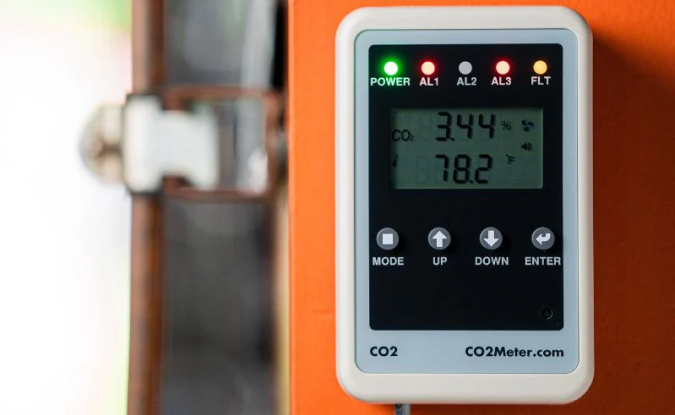
Even if your draft system appears to be running normally, there are several warning signs that indicate hidden CO₂ issues. These symptoms often start small but can quickly escalate into serious problems—affecting beer quality, employee safety, and day-to-day operations. A CO₂ meter helps you detect these issues early, but until you install one, you’re relying on guesswork and periodic visual checks.
Here are the most common indicators that your system urgently needs CO₂ monitoring:
- Frequent foam at the tap
- Inconsistent carbonation from one pour to the next
- Sudden changes in beer flavor or mouthfeel
- Regulators or blended-gas panels behaving unpredictably
- Staff complaining of headaches, fatigue, or dizziness in the cooler
- You operate a long-draw system or run multiple beer lines
How a CO₂ Meter Saves Money and Reduces Operational Losses
Beyond safety and quality, the financial benefits of installing a CO₂ meter are substantial. Draft beer is one of the highest-margin products in hospitality, but it’s also one of the most sensitive. Even a small amount of foam waste or inconsistent carbonation can cost a bar hundreds—or thousands—of dollars per year.
Here’s how a CO₂ meter pays for itself:
- Lower beer waste
- Fewer customer returns and free replacement pints
- Longer equipment lifespan
- Lower risk of downtime
- Lower insurance and liability risks
ROI: How Fast Does a CO₂ Meter Pay for Itself?
In most bars, the CO₂ meter pays for itself in 2–8 weeks, depending on:
- system size
- weekly traffic
- number of taps
- level of foam reduction after installation
High-volume bars often recoup the investment even faster simply by reducing wasted beer during peak hours.
How a CO₂ Meter Supports a More Reliable, Efficient, and Profitable Draft System
When you look at the full picture, a CO₂ meter becomes much more than a safety alarm or a convenience tool—it becomes a central part of your draft system’s quality-control strategy. By giving operators accurate, real-time insights into gas stability, the meter helps keep every pour consistent, reduces unnecessary waste, and protects the equipment that keeps your operation running. It also gives your staff the confidence to work safely in walk-in coolers and keg rooms, knowing that any gas irregularity will be detected immediately.
Consistency is one of the biggest factors influencing customer satisfaction in bars and breweries. When guests know they can expect a perfectly poured beer every time, they return more often, stay longer, and spend more. A CO₂ meter helps you deliver that level of experience day after day, regardless of how busy your service gets or how many lines you operate. It minimizes the guesswork, reduces troubleshooting time, and helps your team maintain a stable, efficient workflow.
For venues running long-draw draft systems, the value is even higher. Longer runs and multiple connection points increase the chances of pressure drift, leaks, and temperature-related inconsistencies. A CO₂ meter helps keep that entire ecosystem balanced—from the cooler to the tap—and ensures you’re not losing money to avoidable foam, flat pours, or emergency downtime.
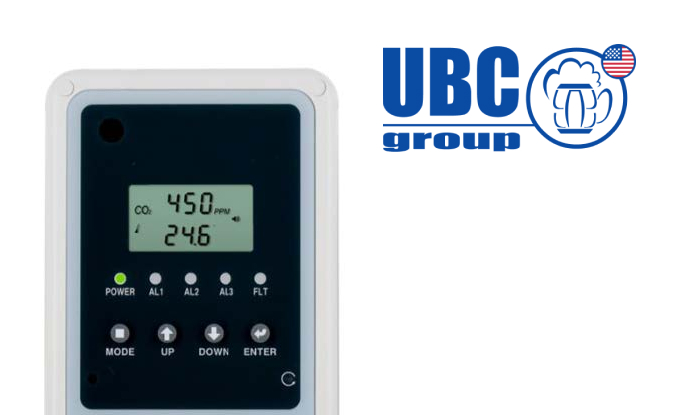
How CO₂ Monitoring Strengthens a Professional Draft System from UBC Group USA
A CO₂ meter reaches its full potential only when it’s working within a well-built, properly balanced draft system. When pressure, temperature, and line conditions are stable, CO₂ monitoring becomes a precision tool instead of a troubleshooting crutch. That’s why bars, breweries, and restaurants that use integrated solutions from UBC Group USA often see the greatest benefits: their equipment is engineered to maintain consistent temperature control, reliable gas delivery, and smooth beer flow from keg to tap.
In a system like that, a CO₂ meter doesn’t just detect problems—it verifies that everything is operating exactly as it should. It helps confirm that pressure remains stable throughout service, that long-draw runs are balanced, and that the cooler environment stays within safe limits. Instead of guessing whether an inconsistency is caused by temperature, gas, or hardware, operators get immediate clarity and can make decisions with confidence.
When CO₂ monitoring works hand-in-hand with high-quality equipment, the result is a draft system that’s safer, more predictable, and capable of delivering consistently excellent pours. For venues committed to professional performance, a CO₂ meter becomes not just an add-on, but an essential part of the system’s long-term reliability.
Final Thoughts
A CO₂ meter is a small investment with a massive impact: better beer quality, safer working conditions, fewer operational interruptions, and higher profitability. Whether you operate a busy taproom, a full-service bar, or a brewery with long-draw lines, CO₂ monitoring is no longer a luxury—it’s an essential step toward delivering perfect pours every time.