Elevate your beverage business with unbeatable glycol chiller deals


 Sign In
Oct 15 2025
6582
Key Takeaways
- Draft beer trunk line systems are essential for high-volume or long-draw bar setups, enabling cold, consistent pours from centralized keg storage to distant taps.
- A trunk line system bundles beer lines, glycol coolant lines, and insulation inside an outer sheath, ensuring stable temperatures and preserving beer quality—even over distances up to 500 feet.
- Proper component selection and configuration (beer lines, glycol lines, insulation) directly impact performance, with barrier tubing and tight bundling preferred for best results.
- Glycol cooling units are critical: They maintain temperature stability and minimize foaming, outperforming air-cooled systems for long or complex runs.
- Best installation practices—like planning the shortest route, proper slope, and easy access—prevent future maintenance headaches and support cleaning and troubleshooting.
- Routine cleaning and professional servicing are non-negotiable for protecting beer quality, extending system life, and avoiding downtime or costly repairs.
- Investing in a quality trunk system pays off with energy efficiency, less waste, and consistent guest satisfaction at high-volume venues.
If your bar or restaurant relies on high-volume draft service or centralized keg storage, a draft beer trunk system could be the backbone of your setup. These systems make it possible to run chilled beer from walk-in coolers to distant taps without compromising taste or temperature. But how do they work, and what should you consider before installation?
In this article, we break down the essential components of a trunk line system, how they function together, and key considerations for setting up and maintaining a long-draw beer system. Whether you’re opening a new venue or upgrading an existing draft setup, understanding trunk systems will help ensure cold, consistent pours every time.
What Is a Draft Beer Trunk System?
A draft beer trunk system is a specialized setup used to transport draft beer over long distances while maintaining temperature stability and flavor integrity. Common in long-draw applications, it allows establishments to place kegs in a walk-in cooler away from the bar while still serving perfectly chilled beer at the tap.
This system operates by bundling multiple beer lines with coolant lines in an insulated sheath—together forming the "trunk". The coolant lines circulate glycol or chilled liquid to keep beer at a consistent temperature from keg to faucet, even over distances of 25 to 500 feet.
Trunk systems are especially valuable in venues with spatial constraints or high-volume service needs. You’ll find them in bars, restaurants, stadiums, hotels, arenas, and taprooms where centralized keg storage supports multiple taps spread across large service areas. By ensuring minimal temperature fluctuation and reduced foaming, trunk systems help maintain product quality and reduce waste—especially when paired with quality draft beer towers and drip trays.
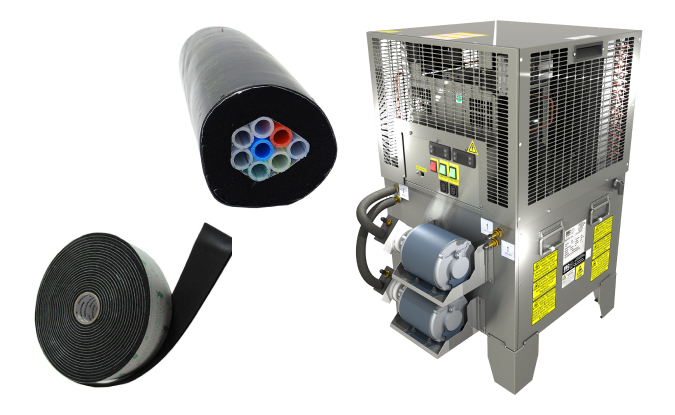
Core Components of a Beer Trunk System
To function effectively, a draft beer trunk system combines several key components engineered to work together seamlessly:
- Beer Lines: Typically made from polyethylene or barrier tubing, beer lines transport the beverage from keg to tap. Barrier tubing is preferred for its flavor-neutral properties, minimizing the risk of off-tastes and preserving beer integrity during transport.
- Coolant Lines (Glycol Lines): These lines run alongside the beer lines and carry chilled glycol, which circulates continuously to maintain a consistent beer temperature along the entire trunk line. The glycol is usually cooled by a glycol power pack and returned via a closed-loop system.
- Insulation: High-performance insulation—either foamed-in-place or extruded foam—wraps the beer and coolant lines together. This insulation is critical for preventing heat infiltration and preserving temperature stability, even in hot or humid environments.
- Outer Sheathing: A durable outer wrap—typically constructed from moisture-resistant PVC or similar material—protects the insulated bundle from mechanical damage and environmental exposure. It also helps reduce condensation.
- Bundling: All components must be tightly bundled and secured to prevent thermal gaps. Tight bundling enhances the contact between beer and coolant lines, which is essential for consistent temperature control.
Each element plays a distinct role in ensuring that beer is delivered from keg to tap fresh, cold, and foam-free—making the trunk line system indispensable for professional draft operations.
Why Line Configuration Matters
How you configure your trunk line bundle has a significant impact on cooling consistency and operational efficiency:
- Side-by-side vs. stacked layout: Side-by-side layouts may work for short runs but can create uneven cooling in longer systems. Stacked configurations ensure each beer line is in equal proximity to the coolant lines, offering better thermal balance.
- Product line count: Always match the number of beer lines to the number of tap handles to avoid routing mismatches and dead ends.
- Thermal contact: Uniform contact between beer and coolant lines ensures every beverage line stays equally chilled, reducing foam and improving pour consistency.
Installation Best Practices for Beer Trunk Lines
A well-executed installation is essential for trunk system efficiency and longevity. Consider the following best practices:
- Plan your route: The shortest, most direct line from cooler to tap minimizes temperature loss and installation complexity.
- Ceiling vs. floor routing: Overhead runs are often cleaner and easier to maintain, but under-floor routing may be necessary based on building layout. Evaluate both for accessibility.
- Slope and drainage: Maintain a slight pitch in the trunk line to support proper glycol flow and prevent pooling. This also assists with cleaning and servicing.
- Accessibility: Ensure the trunk line is not buried in walls or inaccessible spaces. Future maintenance or upgrades will require access.
- Avoid sharp bends: Use gentle curves or expansion loops to prevent kinking and accommodate thermal expansion of the tubing.
- Anchor securely: Use mounting brackets or clamps to keep the line stable and prevent sagging or shifting.
What Tools and Materials Do You Need?
To install a draft beer trunk system, you'll need:
- Line clamps and brackets for securing the bundle
- Insulation sleeves or foam panels if custom wrapping is required
- Barrier tubing and glycol-rated hose for beer and coolant lines
- Glycol power pack unit for circulating chilled fluid
- Temperature sensors and pressure gauges to monitor and fine-tune performance
Proper installation not only boosts system performance but also minimizes service issues down the line.
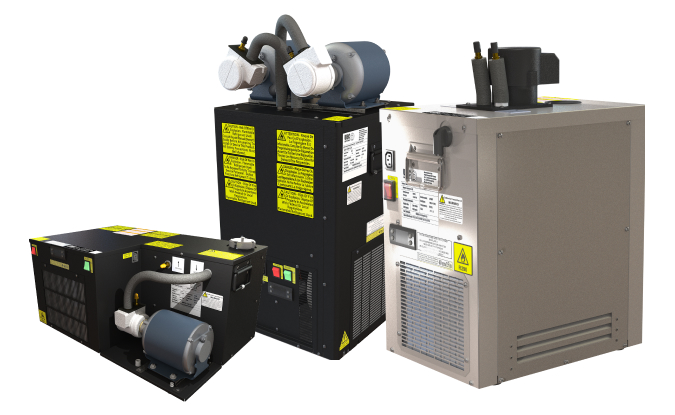
Cooling the System: Why Glycol Units Are Essential
Maintaining consistent cold temperatures across long distances is what makes glycol cooling systems a critical component in trunk line beer dispensing. Without it, beer quality quickly suffers from temperature rise, resulting in foamy or flat pours.
Glycol units continuously circulate chilled propylene glycol through dedicated coolant lines that run alongside beer lines. This closed-loop system creates a thermal jacket, preserving temperature across every foot of the trunk line. Recirculation loops built into the system help maintain an even temperature at all faucet points.
Compared to air-cooled systems—which are limited by airflow distance and ambient temperature fluctuations—glycol-cooled trunk systems are far more reliable and precise. They are especially effective in venues where kegs are stored far from the taps, such as multi-bar restaurants, event halls, and stadiums.
From an operational standpoint, glycol units are not only more effective but also more energy-efficient over time. Properly insulated and maintained systems consume less energy while preserving beer quality and minimizing waste. Though initial investment may be higher, the long-term cost savings and improved customer experience justify the choice.
Cleaning and Maintaining Draft Trunk Lines
To maintain beer quality and ensure equipment longevity, regular cleaning and inspection of trunk lines is essential.
- Routine cleaning: Clean beer lines at least every two weeks to prevent microbial buildup, off-flavors, and foamy pours.
- Flushing process: Use a dedicated beer line cleaning pump with approved cleaning chemicals. Flush thoroughly and follow with clean water to rinse out residues.
- System checks: Inspect for air gaps, temperature drift, or visible leaks. These issues can affect beer taste, cooling efficiency, and equipment wear.
- Professional servicing: Schedule routine maintenance with draft system specialists. They can calibrate glycol units, check pressure balances, and ensure the entire trunk system is operating within optimal specs.
Neglecting maintenance not only impacts taste but can also lead to expensive repairs and system downtime. A small investment in upkeep goes a long way in protecting your draft system investment.
Final Thoughts
A draft beer trunk system is more than just tubing and glycol—it’s an engineered solution that ensures every pint poured tastes as intended, no matter the distance between keg and tap. From selecting the right materials and configuration to installing and maintaining the system correctly, every detail impacts the end result.
By investing in high-quality components and following best practices, bar owners can maximize efficiency, extend equipment lifespan, and serve cold, consistent beer that keeps customers coming back.
Ready to Upgrade Your Draft System?
Contact UBC Group USA today to speak with a system specialist, get personalized guidance, or request a quote on complete trunk line kits, glycol units, and installation components. Let’s build a system that fits your space—and your standards.
Frequently Asked Questions
Are glycol-cooled beer systems better for long-draw setups?
Yes. Glycol-cooled beer systems are specifically designed to maintain consistent temperatures over long distances. Unlike air-cooled systems, which struggle beyond short runs and are sensitive to ambient temperature shifts, glycol systems use closed-loop recirculation of chilled glycol to ensure each pour is cold and foam-free—even in high-demand, multi-tap environments.
How often should draft trunk lines be cleaned?
Regular draft trunk line cleaning is essential. The industry standard recommends cleaning beer lines every two weeks. This involves flushing the lines with approved cleaning chemicals using a dedicated pump, followed by a clean water rinse. Routine cleaning prevents bacterial buildup, off-flavors, and pressure imbalances that could affect beer quality.
Can I install a beer trunk system myself or do I need a professional?
While some experienced installers may take on a beer trunk system installation, most setups require professional expertise. The system involves precise routing, thermal considerations, pump calibration, and glycol unit integration. Mistakes can lead to temperature inconsistencies, product loss, or costly maintenance—making pro installation a wise investment.