Elevate your beverage business with unbeatable glycol chiller deals


 Sign In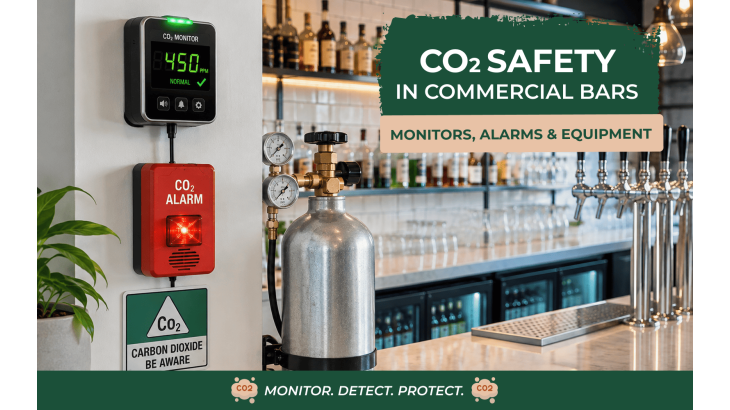
Sep 10 2026
128
Learn how CO₂ leaks put bar staff at risk and which monitors, alarms, regulators, and gas-control equipment help keep commercial draft systems safer.
CO₂ Safety in Commercial Bars: What Every Bar Owner Must Know (and the Equipment That Keeps Staff Safe)
CO₂ is a normal part of a commercial draft system, but that does not make it harmless. In bars, restaurants, taprooms, and other draft-focused spaces, CO₂ helps move beer and maintain carbonation. But when gas leaks happen in enclosed back-of-house areas, the risk becomes serious very quickly.
That is why CO₂ safety should be treated as part of the draft system itself, not as a separate afterthought. A bar can have the right cooling, the right gas blend, and a well-built dispense setup, but if staff are not protected from leak risk in keg rooms, walk-ins, or storage areas, the system is incomplete. For that reason, equipment like a dedicated CO₂ safety monitor has a clear place in commercial bar design.
KEY TAKEAWAYS

CO₂ is essential in draft systems, but it can become dangerous in enclosed spaces.

Keg rooms, walk-ins, and remote storage areas are higher-risk zones.

CO₂ monitors and alarm systems help staff respond earlier to unsafe conditions.

Gas safety depends on both monitoring and proper system setup.

Commercial bars should treat CO₂ safety as part of normal draft infrastructure.
Why CO₂ Is Used in Commercial Draft Systems
CO₂ plays a basic role in commercial draft beer service. It helps maintain carbonation and provides the pressure needed to move beer from keg to faucet. Because of that, it is one of the most familiar gases in bar and restaurant draft setups.
Aspect |
Primary Focus |
Responsibility |
|---|---|---|
| Functionality | Carbonation and pressure to move beer | Pour quality, pressure balance, and beverage performance |
| Daily Operations | Supporting the draft system | Handling cylinders and regulators responsibly |
| Work Environment | Commercial bars and restaurants | Managing enclosed storage areas |
That familiarity can make it easy to overlook the safety side. Operators often think about CO₂ mainly in terms of pour quality, pressure balance, and beverage performance.
But the same gas that supports the draft system also has to be handled responsibly, especially in commercial environments where cylinders, regulators, and enclosed storage areas are part of daily operations. In other words, CO₂ is routine in bar service, but safety around it should be routine too.
Why CO₂ Can Be Dangerous in Bars and Keg Rooms
The main risk is not that CO₂ is unusual. It is that it can build up in enclosed spaces without drawing immediate attention. That is what makes commercial bar CO₂ risk different from normal day-to-day draft operations.


Where Commercial Bar CO₂ Risks Usually Show Up
Most CO₂ safety concerns in bars do not start at the faucet. They usually show up in the back-of-house parts of the system, where gas is stored, controlled, or routed through the building.
Area 1: Walk-In Coolers & Keg Rooms
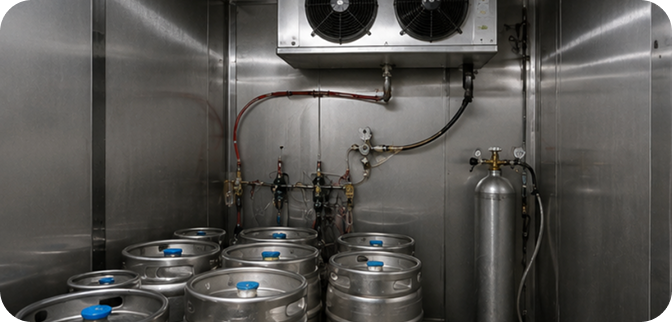
These are higher-risk areas where staff may spend time changing kegs, adjusting gas, or checking the draft system without always thinking of them as safety-sensitive areas.
Area 2: Remote Storage & Cellars
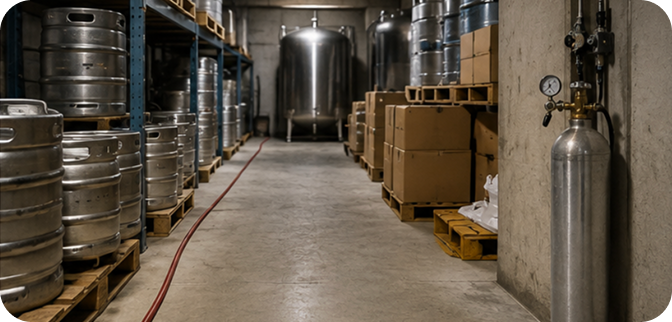
Remote gas storage areas and cellars are also among the higher-risk zones. Gas is stored or routed through these building sections, which are often separated from the main bar.
Area 3: Rooms With Poor Ventilation
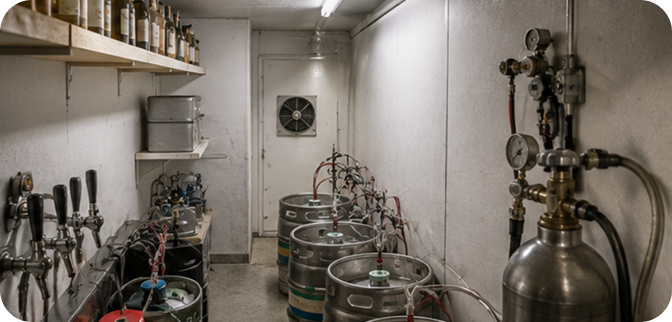
Service rooms with poor ventilation present a significant risk. If gas is controlled or routed through these enclosed spaces, a leak can easily build up undetected.
Area 4: Facility-Specific Layout Planning
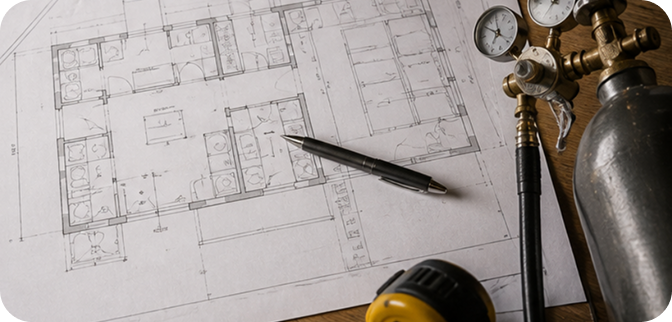
Because risks are isolated to these specific back-of-house spaces, CO₂ safety should be tied directly to the layout of the bar, not treated as a generic rule that applies the same way everywhere.
What Safety Equipment Helps Protect Staff?
CO₂ safety in a commercial bar should not depend on one piece of hardware alone. The safest setups use a system approach: monitoring, visible alarms, stable gas control, and a layout that makes leak risk easier to detect and manage. Stable pressure control supports a more predictable system—this is where CO₂ & nitrogen regulators become part of the safety conversation, not just the pour-quality conversation.
Item |
Core Requirement |
Notes |
|---|---|---|
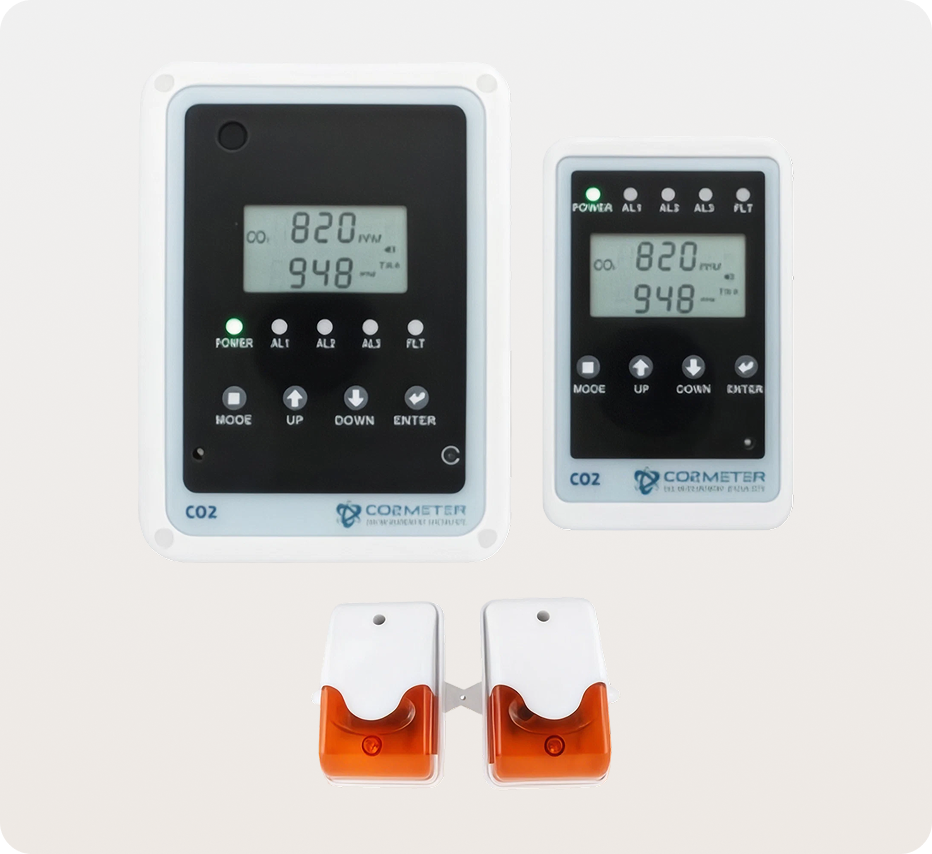
| CO₂ Monitor | Audible & visual alarms | The most important equipment; place in the room or storage area where gas risk is highest. |
| Gas Regulators | Stable pressure control | Reduces the chance that operators overlook problems while troubleshooting inconsistent gas behavior. |
| Control Hardware | Clearly managed setup | Panels and distribution components must keep the system controlled and stable day to day. |
| System Layout | Strategic placement | Equipment must be properly placed in higher-risk rooms to make leaks easier to manage. |
| Safety Protocol | Regular inspection | Routine physical checks of the entire draft gas setup are required instead of relying on guesswork. |
Do Bars Need a CO₂ Monitor?
In many real commercial setups, yes. If a bar stores CO₂ in enclosed or back-of-house spaces, a monitor is a practical safety measure and may also be required depending on the jurisdiction and the amount of stored gas.
The exact code language can vary, so bars should not assume every rule is identical everywhere. But from an operational standpoint, the case for monitoring is straightforward. If the system includes keg rooms, walk-ins, remote storage, or other enclosed gas areas, staff should not have to rely on symptoms or assumptions to recognize a problem.
A CO₂ monitor helps turn an invisible risk into something staff can respond to more quickly and more confidently.
CO₂ Safety in Commercial Bars: What Every Bar Owner Must Know (and the Equipment That Keeps Staff Safe)
CO₂ is a normal part of a commercial draft system, but that does not make it harmless. In bars, restaurants, taprooms, and other draft-focused spaces, CO₂ helps move beer and maintain carbonation. But when gas leaks happen in enclosed back-of-house areas, the risk becomes serious very quickly.
That is why CO₂ safety should be treated as part of the draft system itself, not as a separate afterthought. A bar can have the right cooling, the right gas blend, and a well-built dispense setup, but if staff are not protected from leak risk in keg rooms, walk-ins, or storage areas, the system is incomplete. For that reason, equipment like a dedicated CO₂ safety monitor has a clear place in commercial bar design.

Common CO₂ Safety Mistakes in Commercial Bars

Treating CO₂ as Harmless: draft staff work around it all the time, so it can start to feel routine in a way that reduces caution. But common use does not remove the risk just because it is familiar.

Missing Proper Detection: failing to install a monitor in a higher-risk room leaves staff relying on physical symptoms instead of proper detection systems.

Overlooking Enclosed Spaces: focusing only on front-of-house beer service while ignoring back-of-house gas safety and enclosed storage areas where leaks build up fastest.

Treating Hardware as an Afterthought: the wider draft beer dispense system components setup affects how manageable and visible the gas system is overall. When the full draft build is approached in a fragmented way, safety details are easier to miss.
Final Thoughts
CO₂ safety is part of running a professional commercial bar, not a separate issue that starts only when something goes wrong. If the draft system includes enclosed storage, keg rooms, walk-ins, or remote gas areas, safety equipment should be treated as part of the core setup.
Monitoring, visible alarms, and organized gas control all help reduce risk for staff working around the system every day. For bar owners, the safest approach is to treat CO₂ safety the same way they treat cooling, dispensing, and product quality: as something that needs the right equipment and the right planning from the beginning.
Frequently Asked Questions
Because it can build up in enclosed spaces and create unsafe conditions without obvious warning.
In many commercial setups, yes, especially where gas is stored in enclosed or back-of-house areas.
It should be placed in the area where leak risk is highest, such as a keg room, walk-in cooler, or remote storage space.
They can be, especially when gas cylinders or draft system components are located inside enclosed refrigerated spaces.
It helps alert staff when CO₂ levels become unsafe so they can respond more quickly.
Yes. Pressure-control equipment helps make the gas setup more stable and easier to manage.
The biggest problem is that staff should not rely on warning signs alone. Monitoring is more reliable than waiting for symptoms or guesswork.
A safer setup usually includes a CO₂ monitor, alarm system, and properly organized gas-control equipment.
Contact Us today so our sales team answer all your questions and prepare a quote tailored to your needs.