Elevate your beverage business with unbeatable glycol chiller deals


 Sign In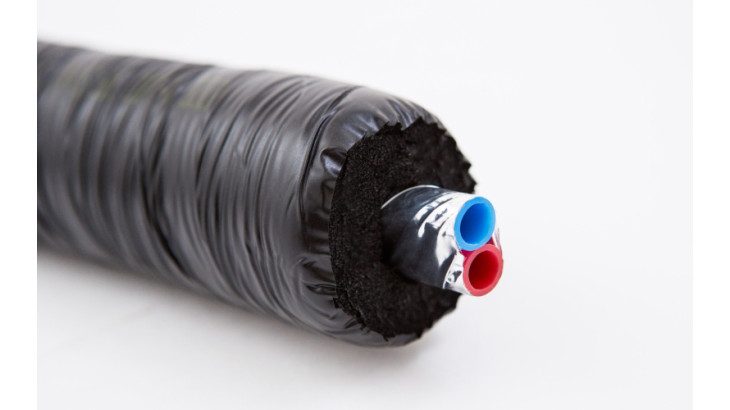
Oct 15 2025
5044
Key Takeaways
- Beer trunk lines bundle multiple beer and coolant lines into a single insulated conduit, enabling efficient long-distance draft beer delivery.
- Proper insulation is critical to maintain beer temperature, reduce foam, and preserve flavor from keg to tap.
- Glycol cooling systems provide superior temperature control for long-draw setups by circulating chilled glycol alongside beer lines.
- Thoughtful installation planning, including routing and distance management, ensures system efficiency and ease of maintenance.
- Regular cleaning and maintenance of draft lines prevent buildup, off-flavors, and equipment issues.
- Selecting the right beer line setup depends on tap quantity, line length, space constraints, and budget.
- Use NSF-certified commercial beer tubing that balances flexibility, durability, and safety compliance for reliable operation.
- Understanding the differences between standard and glycol trunk lines helps bar owners choose the best system for their specific needs.
Draft beer is a staple of any successful bar, brewery, or stadium, but delivering that perfect pour consistently over long distances requires more than just good beer—it demands a well-engineered draft system. For establishments with multiple taps or keg rooms located away from the bar, beer trunk lines play a crucial role in maintaining temperature, reducing foam, and preserving flavor.
This comprehensive guide breaks down everything bar owners need to know about beer trunk lines: how they work, why insulation and glycol cooling matter, installation essentials, and tips for choosing the right setup. Whether you’re upgrading an existing draft system or designing a new one from scratch, understanding these components will help you serve fresher, colder beer and keep your customers coming back for more.
How Do Long-Draw Draft Beer Systems Use Trunk Lines?
For many bars, stadiums, and breweries, delivering quality draft beer from keg to tap across long distances is a challenge that requires a well-designed system. This is where beer trunk lines come into play — a crucial component in long-draw draft beer systems that allows multiple beer lines and cooling tubes to be bundled together efficiently.
A beer trunk line is essentially a protective conduit housing several individual beer lines and coolant lines running together. These lines transport beer from remote keg rooms or cooling units to taps located far away, such as bars with multiple taps or large venues like stadiums. By grouping the lines within a single insulated trunk, operators can simplify installation and maintenance while ensuring temperature control is maintained along the entire beer journey.
The trunk line’s design reduces the risk of temperature fluctuations that can cause foaming or spoilage. It also minimizes space requirements, making it easier to route lines through walls, ceilings, or floors without a tangle of separate tubes. Whether serving a handful of taps or dozens, this system helps bars maintain beer quality and consistency regardless of distance.
What’s Inside a Draft Beer Trunk Line?
Inside a typical draft beer trunk line, you’ll find a carefully arranged bundle of components designed to protect the beer’s flavor and temperature. The bundle generally includes:
- Individual beer lines: Food-grade tubing that carries beer from kegs to taps. These lines are usually made of flexible polyethylene or vinyl.
- Coolant lines: Often glycol-filled tubes run alongside the beer lines to keep them chilled over long distances.
- Insulation material: Surrounding both beer and coolant lines to prevent heat transfer.
- Protective outer casing: A durable, often plastic or metal, jacket that protects the internal tubing bundle from physical damage and moisture.
This integrated layout ensures the beer remains cold and fresh, even when the keg room is located far from the bar.
Why Proper Insulation Makes or Breaks a Draft System
Insulation is arguably the most critical element in a trunk line draft beer system. Without effective insulation, beer lines are susceptible to heat gain, leading to warm beer, excess foam, and poor taste — all of which impact customer satisfaction and bar profitability.
Insulation around trunk lines serves to maintain a consistent cold temperature inside the beer lines as beer travels from keg to tap. The better the insulation, the less the beer is exposed to ambient temperatures, which reduces the chance of foaming caused by temperature swings or excessive pressure.
Common insulation materials include closed-cell foam and polyethylene foam, both selected for their thermal resistance and durability. Some high-end systems use specialized insulation with reflective barriers to further minimize heat gain. Proper insulation also helps improve energy efficiency, reducing the cooling load on glycol or air systems.
For bar owners, investing in quality insulation not only preserves beer quality but also reduces maintenance costs and product waste over time.
How Glycol Keeps Your Beer Cold from Keg to Tap
Maintaining the perfect temperature throughout the draft beer system is vital, especially for long-draw setups. Glycol cooling systems are widely regarded as the gold standard for ensuring beer stays cold from the keg all the way to the tap.
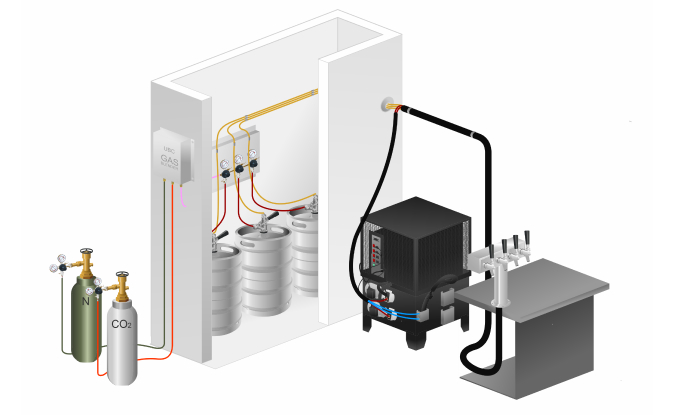
Glycol is a food-safe antifreeze solution circulated through dedicated lines within the trunk line bundle. These glycol lines run alongside the beer lines, absorbing heat and keeping the beer chilled even over long distances. Unlike air-cooled systems, which use cold air blown around beer lines, glycol provides consistent and direct cooling, minimizing temperature fluctuations and reducing foam caused by warm beer.
The glycol solution is typically chilled in a centralized refrigeration unit and pumped continuously through the lines, creating a cold jacket around the beer tubing. This method is especially effective in high-volume bars, stadiums, or breweries where beer lines must stretch tens or even hundreds of feet.
While glycol systems require a higher initial investment and regular maintenance, they deliver superior temperature control and better beer quality, making them ideal for long-draw draft beer installations.
Glycol Trunk Line Layouts for Long-Draw Systems
Designing an efficient glycol trunk line layout requires careful planning to optimize cooling performance and minimize energy consumption. The system typically includes:
- A refrigeration unit that cools the glycol solution.
- Insulated glycol lines running in parallel with beer lines within the trunk.
- A return loop that circulates glycol back to the chiller, maintaining constant flow.
Trunk lines are routed strategically through walls, ceilings, or under floors, minimizing bends and length to reduce pressure drops and cooling inefficiency. Proper system balancing ensures that each beer line receives equal cooling, maintaining consistent serving temperature across all taps.
By investing in a well-designed glycol trunk line layout, bar owners can ensure their draft beer maintains its intended flavor profile and carbonation, delivering the perfect pour every time.
What’s Involved in Installing and Maintaining a Trunk Line System?
Installing a beer trunk line system requires careful planning and precise execution to ensure consistent beer quality and long-term reliability. One of the key considerations is the routing of the trunk line, which often runs through ceilings, floors, or walls. The path should minimize unnecessary bends and distance while avoiding interference with electrical wiring or plumbing. Proper distance planning is essential to ensure the glycol cooling system can maintain the required temperature over the entire length of the line.
Once installed, maintenance becomes crucial. Draft beer lines must be cleaned regularly to prevent build-up of yeast, mold, and bacteria, which can cause off-flavors and health risks. Most bars follow a cleaning schedule of every two weeks, but this may vary depending on volume and beer style. Flushing the lines with specialized cleaning solutions helps remove deposits and keeps the system sanitary.
Troubleshooting common issues such as foaming, inconsistent temperature, or pressure problems often involves checking the insulation, glycol flow, and regulator settings. Keeping an eye on these factors and scheduling preventive maintenance reduces downtime and ensures a perfect pour every time.
How to Pick the Right Beer Line Setup for Your Space
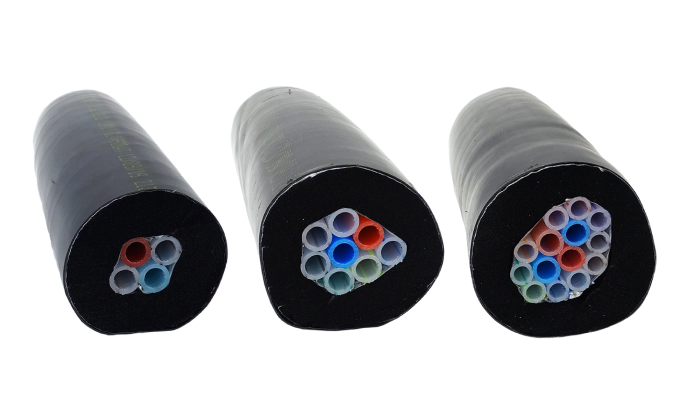
Selecting the ideal beer line setup depends on several factors unique to each bar or venue. The number of taps and the distance between keg storage and serving point are primary considerations — longer lines and more taps require more robust trunk line systems and cooling solutions.
Ceiling height and cooler location also affect routing options. In spaces with low ceilings, trunk lines may need to be routed under floors or through walls, which can impact installation complexity and cost. Conversely, bars with ample ceiling space can benefit from easier routing and access for maintenance.
Balancing performance with budget is essential. While glycol-cooled trunk lines offer superior temperature control for long runs, they may not be necessary for smaller setups with shorter distances. Understanding your bar’s unique layout, volume, and beer offerings helps in choosing a system that maximizes quality without over-investing.
Top Considerations for Commercial Beer Tubing
When selecting beer tubing for your draft system, safety and durability are paramount. Tubing must be made from food-grade materials that comply with health regulations to prevent contamination and preserve beer flavor. Common materials include polyethylene and vinyl, both of which offer flexibility and ease of cleaning.
Pressure durability is another critical factor, as tubing must withstand the pressure from CO2 or nitrogen used in dispensing without bursting or deforming. Look for tubing rated for commercial draft systems to ensure long-term reliability.
Compliance with local codes and brewery standards ensures your draft system operates legally and safely, protecting both your customers and your business.
A well-designed beer trunk line system is essential for any bar or venue aiming to serve consistently fresh, perfectly chilled draft beer — especially when dealing with long distances between keg storage and taps. Understanding the components, importance of insulation, and benefits of glycol cooling empowers bar owners to make informed decisions that protect beer quality and enhance customer satisfaction.
Proper installation, routine maintenance, and selecting the right setup for your specific space ensure operational efficiency and reduce costly downtime. By investing in quality materials and thoughtful design, your draft beer system will deliver the smooth, flavorful pours your patrons expect, helping your business stand out in a competitive market.
At UBC Group USA, we provide expert advice and premium draft system components tailored to your needs. Contact us to learn more about selecting and maintaining the perfect beer trunk line system for your bar.
Frequently Asked Questions
Are insulated beer tap lines necessary in short-draw setups?
Insulated beer tap lines are most critical in long-draw draft systems where beer travels significant distances from keg to tap. In short-draw setups, typically under 25 feet, insulation may not be as essential because the beer spends less time in the line, reducing the risk of temperature fluctuations and foaming. However, even small bars can benefit from basic insulation to maintain consistent temperature, especially in warmer environments or high-volume settings. Ultimately, the need for insulated beer tap lines depends on your specific setup, ambient conditions, and how sensitive your beer style is to temperature changes.
What’s the best material for commercial beer tubing?
The best commercial beer tubing combines food safety, durability, and flexibility. Materials certified by NSF (National Sanitation Foundation) ensure compliance with health and safety standards, preventing contamination and preserving beer flavor. Common options include polyethylene and vinyl tubing, which offer good flexibility for routing and resist cracking or deformation under pressure. Temperature resistance is also important, as tubing must handle chilled beer without becoming brittle. Selecting NSF-certified, pressure-rated tubing designed for commercial draft systems ensures long-lasting, safe performance.
How is a glycol trunk line different from a standard beer line?
A glycol trunk line for beer differs from a standard beer line by integrating both beer and coolant channels within a single insulated bundle. While a standard beer line carries only beer from keg to tap, a glycol trunk line includes separate tubes filled with chilled glycol that run alongside the beer lines. This glycol coolant actively absorbs heat, keeping the beer cold over longer distances, which is essential in long-draw draft systems found in large bars, stadiums, and breweries. This dual-line design improves temperature control and reduces foaming compared to air-cooled or non-cooled systems.